













Bail explained

Not sure what to do?
Try one of these smart suggestions. Get personalised help with bail.


Bail explained
Bail is a legal mechanism that allows a person accused of a crime to be released from custody while awaiting trial, often with certain conditions attached. Information about how bail works, what factors courts consider, and the rights and obligations involved is something people often explore when seeking to understand this process.
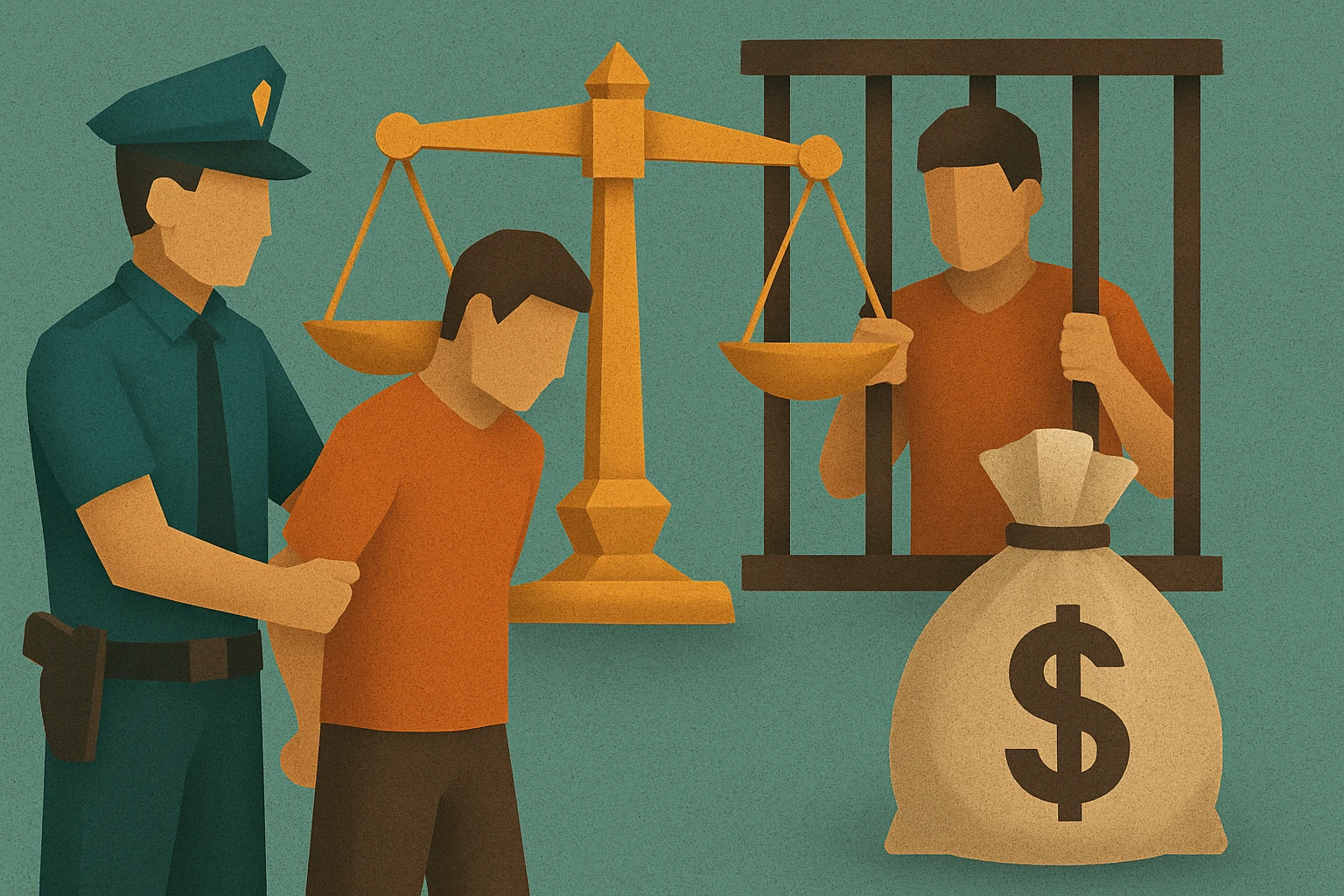
What bail means in Australia
Bail is the process by which a person who has been arrested or charged with a criminal offence can be released from custody while they wait for their court case to proceed.
The purpose of bail is to balance two competing interests. The court needs to protect the public and ensure the person appears in court when required, but it also recognises that people are innocent until proven guilty and should not be unnecessarily detained. If someone is refused bail, they remain in custody. However, many people do apply for bail and receive it with certain conditions attached.
When a person applies for bail, the court considers various factors including the seriousness of the charges, the person's criminal history, employment, and whether they pose a risk to others. The conditions imposed may include reporting to police, restrictions on travel, curfews, or requirements to reside at a particular address. These bail conditions are designed to manage risk while allowing a person to remain in the community.
Bail is not a penalty, even though it may involve strict conditions. It is a mechanism to ensure court attendance and public safety. Different levels of bail apply depending on the circumstances, and the conditions can sometimes be negotiated or reviewed if circumstances change.
Key points
Bail determines whether someone is released or held in custody before their trial
A bail hearing is the formal court proceeding where this decision is made
Conditions may be imposed to manage risk and ensure court attendance
Being refused bail generally means remaining in custody, and in some circumstances an appeal or review of a bail decision may be possible.
Bail is not a sentence and does not determine guilt or innocence
Common situations
People may find themselves navigating bail in several different circumstances.
Common scenarios include:
You or a family member has been arrested and need to know what happens next at a bail hearing
You've been charged with a serious offence and are uncertain whether bail will be granted
You've received bail but are unclear about the conditions or find them difficult to comply with
You're facing a potential jail sentence and want to understand your options
You've been refused bail and are considering whether to appeal
You're concerned about a family member who has been detained and want to understand the bail process
Some people want to understand what happens if bail conditions are breached.
You're unsure about the difference between bail and other forms of release
You want to prepare for a bail application but don't know what information to gather
The bail process generally involves conditions, and outcomes can depend on a range of circumstances. For example, breaching a bail condition may result in bail being revoked, which can lead to a return to custody. Similarly, not appearing in court as required can result in additional charges and potential jail time.
What to consider
People often consider evidence of community ties, employment, and residential stability in connection with a bail hearing.
People often seek to understand what bail conditions require and any reporting obligations.
People often note the timeframes for court appearances connected to particular stages of proceedings.
People often reflect on whether the conditions imposed are realistic for their circumstances.
People often keep a record of any changes in their situation that might affect bail, such as employment loss, health issues, or relocation.
People often consider whether they have support from family or friends to help with compliance.
People often keep records of compliance with conditions, and how each factor is weighed depends on the circumstances.
Bail decisions can sometimes be reviewed if circumstances change significantly.
What you can do next and how LawConnect can help
For people navigating a bail application or affected by bail decisions, there are a number of approaches others commonly take.
People often gather information about their personal circumstances, employment, housing, and community connections.
People often note down any questions they have about the bail process or what bail conditions mean.
People often seek to understand the specific charges and any documents related to their case.
People often consider whether support from family or friends might help with managing compliance.
People often look into what a bail hearing typically involves and what to expect.
For people who have been refused bail, there are generally rights to appeal or seek review.
People often keep records of their compliance with any conditions already imposed.
People often reflect on whether professional guidance would assist in preparing or responding to bail matters.
How LawConnect can help
Bail can feel complex and stressful, especially when a person is unsure of their rights or what to expect. LawConnect provides personalised legal information through our AI legal assistant, which can help you understand general information about how bail works in Australia and what options may be available to you.
Our AI assistant is a tool designed to help you explore legal concepts and gather information about the bail process. It can answer questions about bail hearings, conditions, and common scenarios. However, only a licensed lawyer can provide legal advice tailored to your specific circumstances and case details.
If your situation involves a serious offence, a complex bail application, or if you need professional representation, we can connect you with licensed criminal lawyers who can provide legal advice and support specific to your circumstances. Licensed criminal lawyers generally review case details, provide advice, and represent clients at court proceedings.
Starting with our AI assistant is a practical way to build your understanding. If you then need professional legal advice, our platform makes it easy to connect with a lawyer who specialises in criminal law and bail matters.
Not sure what to do?
Try one of these smart suggestions. Get personalised help with bail.

Bail FAQs

Bail is a sum of money or conditions set by a court to allow an accused person to be released before their case is finalised. It aims to ensure the person appears in court for their trial or hearing. If bail conditions are met and the person attends all required court dates, the bail money is returned, regardless of the trial outcome. Bail balances the right to freedom before conviction with the court's need to ensure defendants appear in court.
A court may refuse bail if it believes there is a significant risk the person may not appear in court, may commit further offences, or may interfere with witnesses or evidence. The seriousness of the alleged offence, criminal history, ties to the community, and employment status are often considered. Courts may also refuse bail if the person poses a danger to the public. The decision depends on individual circumstances and applicable bail laws in each state or territory.
Bail conditions are requirements a person must follow to remain released before trial. Common conditions include reporting to police regularly, not contacting certain people, staying within a specific area, maintaining employment, or surrendering a passport. Conditions may also include curfews or electronic monitoring in some cases. Breach of bail conditions can result in arrest and the bail being revoked, and the conditions set by the court are generally requirements under the bail process.