













Understanding cannabis growing charges

Not sure what to ask?
Try one of these. Get tailored legal answers for your situation.


Growing cannabis charges
Growing cannabis is illegal in Australia without proper authorisation, and charges related to cannabis cultivation can carry serious penalties. This guide explains what growing cannabis charges are, how Australian law treats cannabis cultivation offences, and what you should know if you're facing these charges.
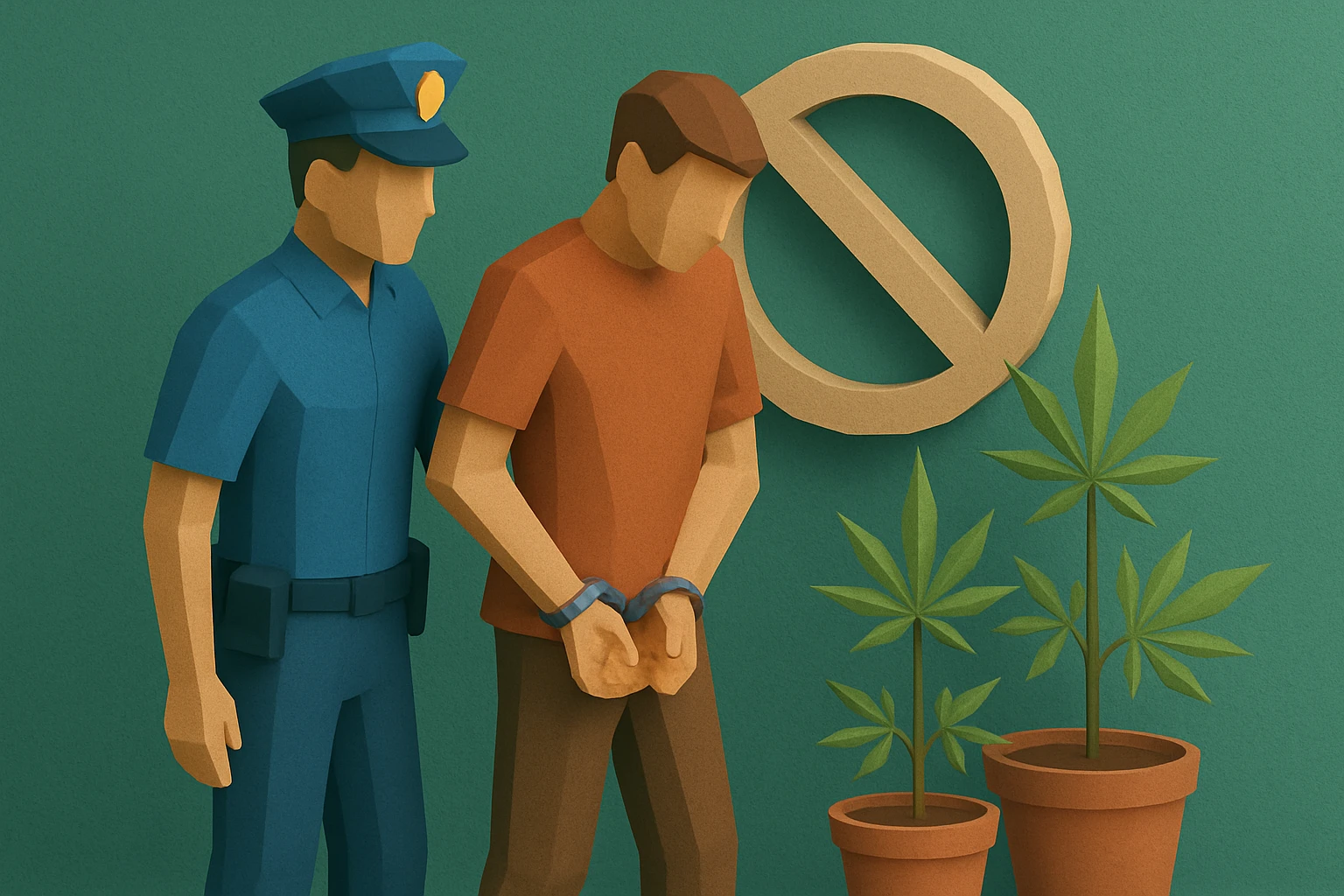
What cannabis cultivation offences mean in Australia
Growing cannabis is illegal in Australia unless you have specific authorisation, typically for medical or research purposes. A cultivate cannabis charge refers to the criminal offence of unlawfully planting, nurturing, or harvesting cannabis plants. This is a serious matter under Commonwealth and state legislation, and penalties vary depending on the quantity of plants involved, your intention, and other circumstances.
The law distinguishes between cultivation for personal use and cultivation for supply or trafficking. The quantity of plants is often among the factors relevant to the severity of the offence. Even cultivating a small number of plants without authorisation can result in criminal charges.
There are strict requirements around authorised cultivation. These exist to protect public health and maintain the integrity of Australia's drug laws. People facing potential legal consequences, or who want to understand their rights, often consider what constitutes a cannabis cultivation offence.
Key points
A growing cannabis penalty depends on the number of plants and your intention
Unauthorised cultivation is a criminal offence in all Australian states and territories
The distinction between personal use and supply is among a range of matters that may be relevant to sentencing.
You may be charged even if plants are not yet fully mature
Possession of equipment or substances linked to cultivation can also lead to charges
Authorised cultivation exists only in limited circumstances, such as approved medical research
Common situations
Cannabis cultivation charges may arise in a range of circumstances. You might face such charges if authorities discover cannabis plants during a property search, whether the plants are in a home, garage, shed, or outdoor location. The mere presence of plants can result in a cannabis cultivation offence being laid.
Other common scenarios include:
Growing plants in a home garden or indoor setup
Possession of seedlings or cuttings with intent to cultivate
Operating a larger-scale growing operation
Growing plants on rented or shared property
Purchasing equipment or nutrients commonly associated with cannabis cultivation
Growing plants while on bail or subject to court orders
Cultivating cannabis alongside other criminal activity
Growing plants without knowing about local by-laws or restrictions
If charges are laid incorrectly or evidence is mishandled, this may affect the case outcome. How a person responds to charges may be among a range of matters that bear on the consequences that follow, and how each factor is weighed depends on the circumstances. Responses to such matters can occur at various stages connected to particular stages of proceedings.
What to consider
The actual number of plants found and their stage of growth
Whether you had permission from the property owner
The context in which plants were discovered
Whether you have prior drug-related convictions
Whether a diversion program might be available to you
The specific state or territory where the offence occurred
Whether you have any legal documentation or authorisation
The timeframe for responding to police or court processes
What you can do next and how LawConnect can help
People facing cannabis cultivation charges or concerned about potential legal exposure often consider a range of approaches, which may include:
Documentation related to the circumstances (police letters, search warrants, photographs) is something people often gather
Details of what happened, including dates and who was present, are something people often record
People often refrain from discussing the matter on social media or with anyone other than a legal professional
People often seek to learn what specific charges have been or may be laid against them
People often seek to understand the difference between drug possession, drug supply charges, and cultivation offences, as these carry different penalties
People often consider whether early intervention or a diversion program might apply to their situation
Legal guidance is something people often obtain at stages connected to a first court appearance or police interview.
Correspondence from police or the court is something people often retain.
How LawConnect can help
Cannabis cultivation charges are serious criminal matters, and people often seek professional guidance in relation to them. Many people facing such charges feel uncertain about their options and what comes next.
LawConnect provides personalised legal information through our AI legal assistant. People can ask questions about criminal charges, how the court process works, or what options may be available. The AI can help you understand general legal information and the range of approaches that may apply.
A licensed criminal lawyer can generally provide legal advice specific to a person's circumstances, assess evidence, and provide representation in court. We can connect you with experienced criminal lawyers who specialise in drug-related matters and can guide you through your case from start to finish.
A range of matters may bear on a case, and how each factor is weighed depends on the circumstances.
Not sure what to ask?
Try one of these. Get tailored legal answers for your situation.

Growing Cannabis Charges FAQs

Yes, cannabis cultivation is illegal in Australia without proper authorisation. Under Commonwealth and state legislation, growing cannabis plants is generally prohibited regardless of the amount or intended use. Limited exceptions exist for licensed medicinal and research purposes under strict regulatory frameworks. Most personal cultivation remains a criminal offence.
Penalties for cannabis cultivation vary depending on the jurisdiction and circumstances but generally include fines, imprisonment, or both. Maximum penalties can range from several thousand dollars to lengthy prison sentences. The severity may depend on a range of matters, and how each factor is weighed depends on the circumstances. State-based variations mean penalties differ across Australia.
Yes, quantity generally significantly affects the charges and penalties you may face. A small number of plants may be treated as personal use, while larger quantities can suggest intent to supply, resulting in more serious charges. Courts may take into account a range of matters when determining appropriate penalties, and how each factor is weighed depends on the circumstances. The distinction between personal use and commercial activity is among a range of matters that may be relevant to sentencing.