













Dangerous driving explained

Not sure what to ask?
Try one of these. Get tailored legal answers for your situation.


Dangerous driving
Dangerous driving is a serious criminal offence in Australia that occurs when a driver operates a vehicle in a manner that risks harm to people or property. This guide explains what constitutes dangerous driving, the potential consequences, and what to do if you're facing charges or involved in an incident.
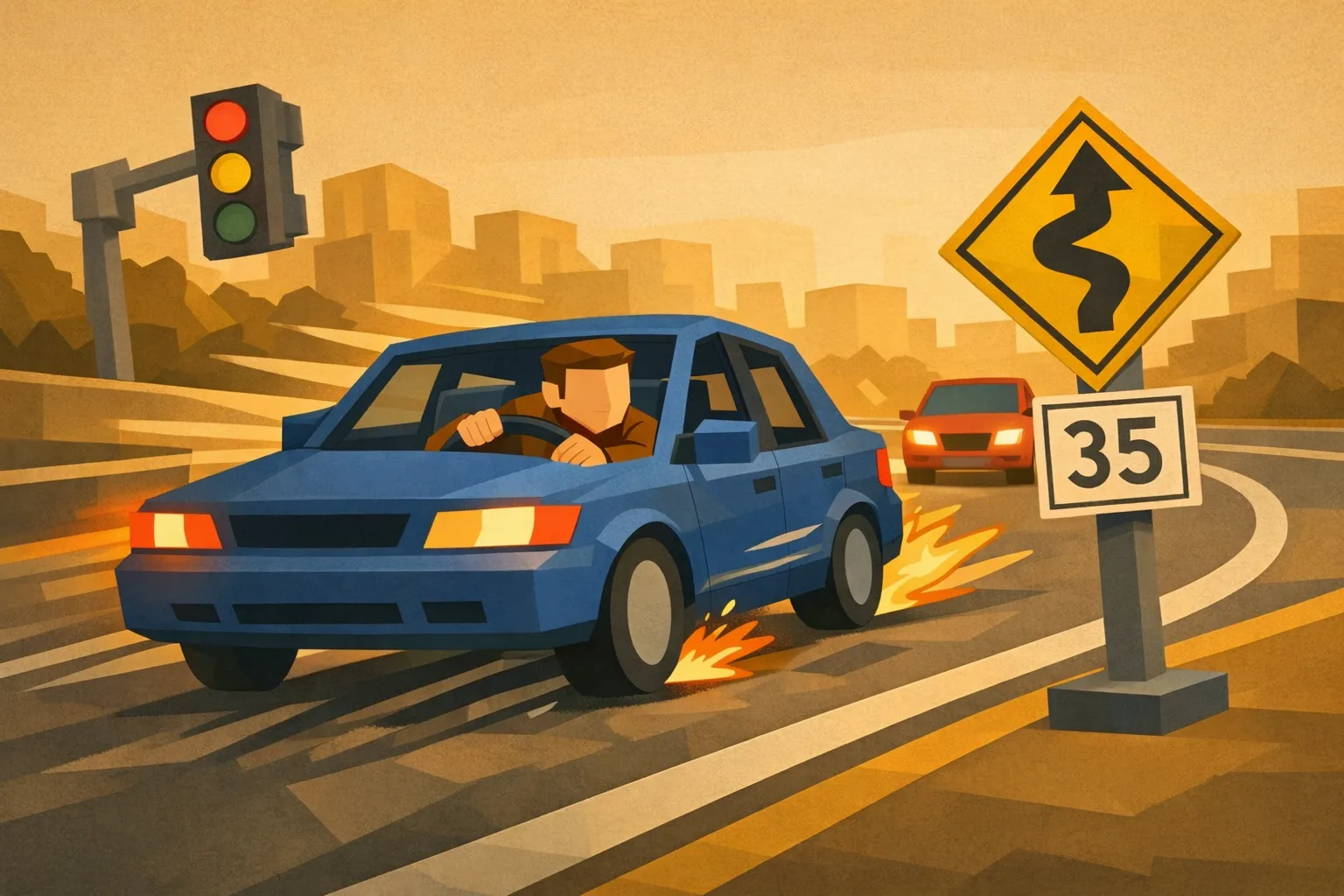
What constitutes dangerous driving in Australia
Dangerous driving is a serious traffic offence that occurs when a person operates a vehicle in a way that puts others at significant risk of harm. Unlike careless or negligent driving, dangerous driving involves conduct that is reckless and shows a disregard for the safety of other road users.
In Australia, dangerous driving is typically defined as driving in a manner that is dangerous to the public. This may include excessive speeding, driving under the influence, aggressive lane changes, or driving while severely fatigued. When a dangerous driving charge is laid, it usually means the conduct went well beyond a simple traffic violation.
The legal framework recognises different levels of culpability. For example, dangerous driving causing grievous bodily harm represents a more serious version of the offence where the reckless driving penalty tends to be more severe. The law distinguishes between dangerous driving that causes injury and dangerous driving that could have caused injury but did not.
One reason this offence exists is to protect public safety on the roads. The law recognises that certain types of driving behaviour create unacceptable risks to everyone who shares the road, whether as drivers, passengers, or pedestrians.
Key points
Dangerous driving is more serious than careless or inattentive driving
It involves conduct that is reckless and disregards the safety of others
A dangerous driving charge may apply whether or not injury actually occurred
Dangerous driving causing grievous bodily harm carries heightened penalties
Penalties can include fines, disqualification from driving, and prison time
Each state and territory in Australia has its own legislative framework for dangerous driving offences
Common situations
Dangerous driving offences often arise from situations where a driver's conduct has been particularly risky or reckless. Common scenarios include:
Driving at excessive speed, especially in built-up or residential areas
Driving under the influence of alcohol or drugs
Driving while severely fatigued or with impaired concentration
Racing or engaging in competitive driving behaviour on public roads
Aggressive driving, including dangerous overtaking or weaving through traffic
Driving a vehicle known to be unsafe or poorly maintained
Using a mobile phone or other distractions in a way that significantly impairs driving ability
Fleeing from police or driving in a manner to evade detection
Driving with a suspended or cancelled licence in circumstances that elevate risk
When a serious driving offence results in injury or death, the consequences can be severe. Proceeding through the court process for a dangerous driving charge is formal and can be lengthy, particularly if the matter goes to trial. Penalties may include substantial fines, a jail sentence, and licence disqualification for a significant period.
People sometimes find that early legal advice is connected to particular stages of these matters. A range of matters, including how evidence is handled, how people respond to police, and the timing of legal intervention, may be relevant; how each factor is weighed depends on the circumstances.
What to consider
Whether the conduct truly constitutes dangerous driving or a lesser traffic offence is something people sometimes consider
The potential range of penalties, including disqualification and prison
Whether legal defences may be available is something people sometimes consider
The impact on a person's employment, insurance, and future driving record is something people sometimes consider
Whether specialist legal representation is something a person seeks is a matter people sometimes consider
How people often approach understanding the court process and likely timeline
Whether early engagement with legal support is something people consider
What you can do next and how LawConnect can help
If you've been charged with or are concerned about a potential dangerous driving charge, you may wish to:
Gather information about the incident and any evidence relevant to your situation
Document any witness details or circumstances that may be important
Keep records of correspondence from police or traffic authorities
Avoid making statements to police or others without legal guidance
Research the specific offence definition in your state or territory
Understand the likely range of penalties and what a jail sentence might involve
Specialist legal advice is something people often seek at the relevant stages of proceedings
Options for representation through the court process are something people often explore
How LawConnect can help
Dangerous driving matters are complex and carry serious potential consequences. Many people facing a dangerous driving charge feel uncertain about what comes next or what their rights might be. LawConnect provides personalised legal information through our AI legal assistant, which can help you understand general information about these offences, the court process, and the range of factors that courts consider.
Our AI can help you clarify what happens in a serious driving offence case and explore what information or support might be relevant to your circumstances. However, it's important to understand that the AI provides information only, not legal advice specific to your situation.
If you're facing formal charges or need tailored legal advice, only a licensed lawyer can provide that. We can connect you with experienced traffic and criminal lawyers who specialise in dangerous driving matters and can provide legal advice based on the specific details of your case. This is one consideration people often weigh given the potentially serious penalties, including jail sentences and licence disqualification.
People often find that engaging with professional guidance at the relevant stages helps them understand the available options through the legal process.
Not sure what to ask?
Try one of these. Get tailored legal answers for your situation.

Dangerous driving FAQs

Dangerous driving generally refers to operating a vehicle in a way that creates a substantial risk of serious harm or death. This may include excessive speeding, driving under the influence, reckless manoeuvres, or driving while fatigued. The conduct must be more serious than simply careless or negligent driving. Each situation depends on the specific circumstances and road conditions involved.
Penalties for dangerous driving vary and may include fines, licence suspension or cancellation, and potential imprisonment. The specific penalty depends on factors such as the severity of the conduct, whether anyone was injured, and your driving history. Fines can be substantial, and licence disqualification periods may be significant. A licensed lawyer can generally explain how penalties may apply to a person's particular circumstances.
Yes, dangerous driving can result in jail or imprisonment, particularly in serious cases or where harm or death occurs. Whether jail is imposed depends on the severity of the conduct and other factors the court considers. First-time offenders may receive a different sentence than repeat offenders. People sometimes find that speaking with a lawyer assists in understanding the potential outcomes in their particular situation.
Courts generally consider several factors when assessing the seriousness of dangerous driving, including the speed involved, road conditions, presence of passengers, whether anyone was injured, prior driving history, and the driver's level of culpability. The court also examines whether the behaviour was momentary or sustained, and the extent to which the driver showed disregard for public safety. These factors help determine the appropriate sentence.