













Delays in probate

Not sure what to ask?
Try one of these smart suggestions tailored to you.


Delays in probate
Probate delays can occur when administering a deceased person's estate and managing their assets and liabilities. This guide explains what can cause delays in probate, how long the process typically takes, and what you can do if you're waiting for probate to be granted.
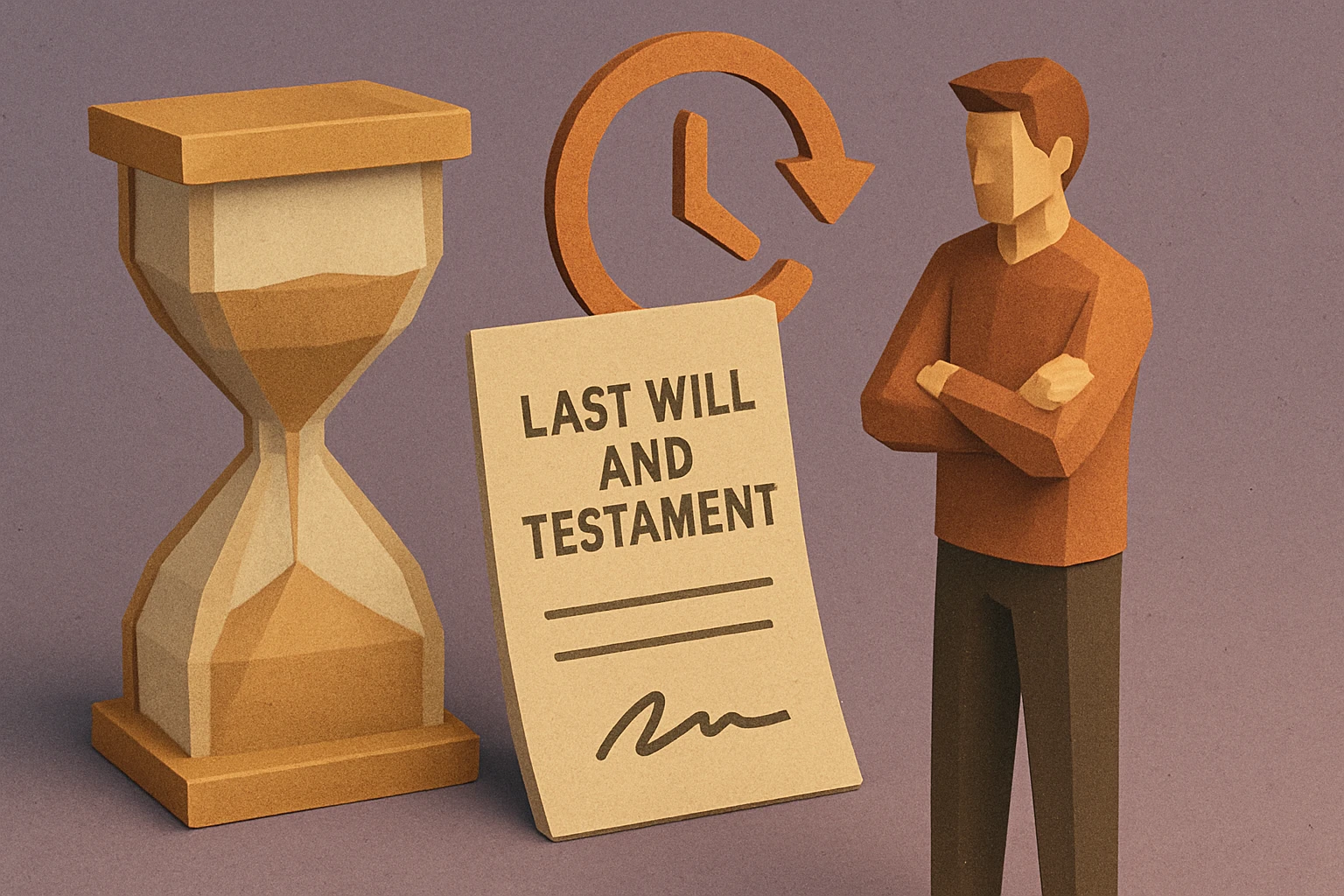
What probate delays mean in Australia
Probate is the legal process that confirms a person's will is valid and allows the executor to manage their estate. Probate delays can occur for various reasons, and the causes are matters that beneficiaries and executors often consider when anticipating the timeline ahead.
When someone passes away, their executor must apply to the court for probate. This confirms they have the legal authority to distribute assets according to the will. During this time, estate administration happens, but it can take longer than expected. Issues such as executor delaying probate, disputes over the will, tax matters, or complex assets can all extend the process.
In Australia, there is no fixed timeframe for probate to be granted, though it often takes several months. The time it takes depends on the complexity of the estate, how quickly documentation is gathered, and whether any challenges arise. Some matters are straightforward and resolve quickly, while others take longer, which can frustrate beneficiaries waiting for their inheritance.
Understanding the probate process helps set realistic expectations. The executor has responsibilities to act promptly, but they also need time to gather documents, pay debts, lodge tax returns, and prepare accounts. Delays can occur at any stage, and the typical timeline is something people often review when considering whether it is reasonable in particular circumstances.
Key points
Probate is a court process that confirms the will's validity and authorises the executor
There is no strict deadline for probate delays to be resolved in Australia
Estate administration involves gathering assets, paying debts, and distributing funds
Complexity, disputes, or missing documents can all extend the process
Familiarity with the steps involved is something people often draw on when assessing whether delays are typical or concerning.
Common situations
Probate delays can happen in many circumstances. You may be waiting for probate if:
The deceased left substantial assets across multiple institutions (banks, properties, investments)
There are questions about the will's validity or the deceased's mental capacity
The estate includes a business, rental property, or overseas assets
Beneficiaries or creditors dispute the will or the executor's decisions
Tax issues need to be resolved before distribution can occur
The executor is unfamiliar with the process or has limited time to act
There are blended families or estranged beneficiaries
Key documents (like the original will, bank statements, or property deeds) are missing or hard to locate
When probate delays are significant, beneficiaries may feel frustrated or concerned about their inheritance. In some cases, lengthy delays can also create financial hardship, particularly if beneficiaries were relying on access to funds. Where there is a concern about the executor delaying probate, exploring available options is an approach people often take, as beneficiary rights include the right to understand the estate's progress.
What to consider
How long has probate been in process, and what is the executor's explanation?
Are there known disputes or missing documents causing the delay?
Has the executor provided regular updates on progress?
Are you aware of your rights as a beneficiary?
Would it help to understand the executor's obligations and timeline?
Could professional guidance clarify whether delays are reasonable or concerning?
Are there steps you could take to help move the process forward?
What you can do next and how LawConnect can help
If you're concerned about probate delays or are waiting for an estate to be distributed, you may wish to:
People often ask the executor for a clear update on where the probate application stands.
People often request a timeline for the next steps and expected completion date.
People often gather documents that might assist the process, such as property valuations or bank statements.
People often seek to understand their rights as a beneficiary and what can reasonably be expected.
People often consider whether mediation could assist where there are disputes affecting progress.
People often keep a record of communication with the executor in case questions arise later.
Speaking with a legal professional is an approach people often take where delays seem unreasonable or harmful.
How LawConnect can help
Probate delays can be confusing and frustrating, especially when you're unsure whether the timeline is normal. LawConnect provides personalised legal information through our AI legal assistant, which can help you understand the probate process, typical timeframes, and what steps might be available to you.
Our AI tool can answer general questions about estate administration and help you identify what information you need to gather. It provides information in plain language, tailored to your situation, so you can better understand your options.
If your circumstances are complex or you need advice specific to your case, only a licensed lawyer can provide that legal advice. We can connect you with experienced estate lawyers who can review the details of your situation and advise you on the best path forward. Whether you want to understand the process better or need professional guidance about your rights, starting with our AI assistant is a simple way to get clarity.
Not sure what to ask?
Try one of these smart suggestions tailored to you.

Delays in Probate FAQs

Probate delays commonly occur due to asset verification, tax issues, estate disputes, or complex financial structures. Court backlogs and incomplete documentation can also extend timelines. The specific causes depend on your circumstances, and delays may range from weeks to months or longer. Familiarity with potential hold-ups is something people often draw on at various stages.
An executor has a legal duty to act reasonably and timely when administering an estate. Deliberate delays may constitute a breach of duty and could result in legal action from beneficiaries. However, legitimate delays for debt settlement or dispute resolution are generally acceptable. If you have concerns about executor conduct, seeking legal advice is recommended.
If probate appears unusually prolonged, you may request an update from the executor or their legal representative. In some cases, beneficiaries can seek court intervention or professional mediation to resolve bottlenecks. Each situation is different, and the appropriate steps depend on the specific circumstances and cause of delay. We can connect you with a licensed lawyer who can advise on your options.