











False allegations of domestic violence

Not sure what to ask?
Try one of these smart questions tailored to your situation.


False allegations of domestic violence
False allegations of domestic violence are claims of abuse that are made without factual basis or evidence. This guide explains what constitutes a false allegation, the legal implications for those who make such claims, and what options may be available if you're facing false allegations in Australia.
How false allegations of domestic violence are generally understood in Australia
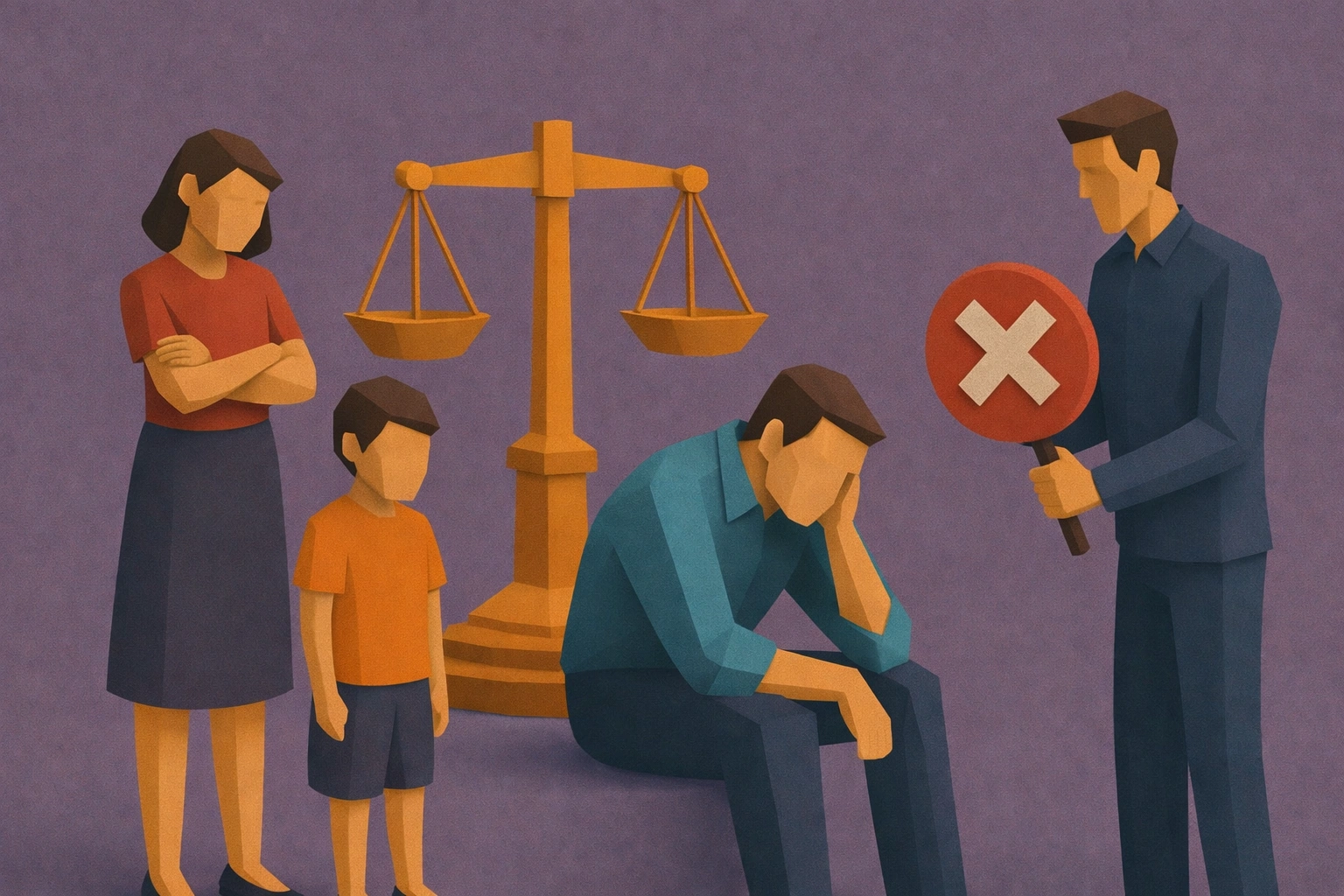
False allegations of domestic violence are claims that are made without a factual or evidential basis. In Australia, making a domestic violence allegation carries serious legal weight. When someone is falsely accused of domestic violence, it can have profound consequences on employment, custody arrangements, housing, and reputation.
When a person believes they have been falsely accused of domestic violence, the legal framework is often something people seek to understand. In Australia, domestic violence allegations may be reported to police, raised in family law proceedings, or form the basis of protection order applications. Accusations can sometimes be made as a means of gaining advantage in parenting disputes or other disputes, particularly in emotionally charged situations like relationship breakdown.
Not all allegations that cannot be proven are false allegations. Many cases involve genuine disputes about what happened, conflicting accounts, or situations where evidence is difficult to establish. A false allegation is distinct from a case where evidence is simply inconclusive or where different parties have different versions of events.
If someone believes they are facing false protection order claims, they may have options to respond through the courts. Similarly, being falsely accused of domestic violence in other contexts may give rise to potential legal responses, though these depend on specific circumstances.
The distinction between allegations that are disputed and those that are genuinely fabricated is something people often consider when navigating these matters.
Key points
False allegations are claims made without a factual basis
Domestic violence allegations carry serious legal consequences
Being falsely accused of domestic violence can affect multiple areas of life
Not all unproven allegations are false allegations
The legal response depends on how and where the allegation was made
Common situations
Situations involving false allegations or disputed claims may arise in various contexts:
During family law disputes, particularly those involving children and custody arrangements
When a protection order is sought, and the respondent disputes the allegations
In employment situations where a complaint is made about conduct
During separation or divorce proceedings where allegations emerge
In situations involving parenting disputes where one parent makes claims against the other
When allegations surface in property or financial disputes
In shared housing arrangements where cohabiting parties have relationship breakdown
When allegations are made retrospectively, sometimes years after an alleged incident
When allegations of domestic violence are made, they may lead to serious consequences regardless of their accuracy. For example, a protection order may be granted without a defendant having the opportunity to fully contest the allegations at an interim stage. This means someone could be subject to restrictions on their movement or contact while the matter remains unresolved. Alternatively, criminal charges might be laid, which can affect employment prospects even if later withdrawn or dismissed.
In some cases, people who have been falsely accused later face challenges in relation to proving their innocence, and outcomes can depend on a range of matters including how earlier stages of the process unfolded.
What to consider
How and where the allegation was made (police, court, protection order, workplace)
The specific details of what a person is accused of are something people often consider
Whether a person has documentary evidence, witnesses, or communications that support their account is something people often consider
The timing of the allegation and whether there are delays in reporting
How the allegation affects a person's current legal position (custody, employment, freedom of movement) is something people often consider
Whether legal protection connected to particular stages of proceedings is something people sometimes consider while the matter is addressed.
The costs of responding through different legal channels
What you can do next and how LawConnect can help
Where a person believes they have been falsely accused of domestic violence, the following are steps people often consider:
People often record what they can recall about the events in question, including dates, times, locations, and any witnesses.
People often preserve any written communications (messages, emails, letters) that may be relevant to their account.
People often identify potential witnesses who can support their version of events or provide context about their relationship with the person making the allegation.
People often seek to understand what legal process has been started (police investigation, protection order application, family law proceedings, or breach of protection order claim).
People often seek general guidance on what response may be connected to particular stages of proceedings.
People often reflect on the impact on their work, living arrangements, or custody arrangements.
Whether early resolution options might be available is something people sometimes explore.
How LawConnect can help
Being falsely accused of domestic violence can be distressing and confusing. People often need clarity about what the allegations mean, what options are available to them, and what the legal process might involve.
LawConnect provides personalised legal information through our AI legal assistant. People can begin by selecting one of the questions above to receive general information relevant to their situation. Our AI can help you understand the general legal information relevant to your circumstances and the range of options that may be available.
It's important to know that LawConnect provides legal information only, not legal advice. Only a licensed lawyer can provide legal advice specific to your individual circumstances and help you develop a strategy tailored to your particular situation.
If you need professional legal advice to respond to allegations or to understand your options, we can connect you with licensed lawyers who specialise in domestic violence matters, family law, or criminal law as relevant to your situation. A lawyer can review the specific details of your case, advise you on the strength of your position, and guide you through the appropriate legal process.
Not sure what to ask?
Try one of these smart questions tailored to your situation.

False Allegations FAQs

Where domestic violence allegations are disputed, people often gather material relevant to their position, such as messages, documents, or witness statements. People often take care to preserve relevant material and to be mindful of contact that could be misinterpreted. You should speak with a licensed lawyer who can advise you on how to respond formally and protect your rights throughout the process.
Defending against false claims generally involves presenting evidence that contradicts the allegations. This may include witness testimony, medical records, communication records, or other documentation. The approach depends on the context, whether the allegations appear in court proceedings, police investigations, or family law matters. A licensed lawyer can help you develop a tailored defence strategy based on your specific circumstances.
False domestic violence allegations may potentially impact parenting arrangements, as family courts consider a person's safety and the safety of children when making orders. However, if allegations are determined to be false or unsubstantiated, this may also affect credibility in family law proceedings. The outcome depends on the specific circumstances and evidence presented. Speaking with a licensed lawyer is important to understand how allegations may affect your case.