

I'm being threatened legally
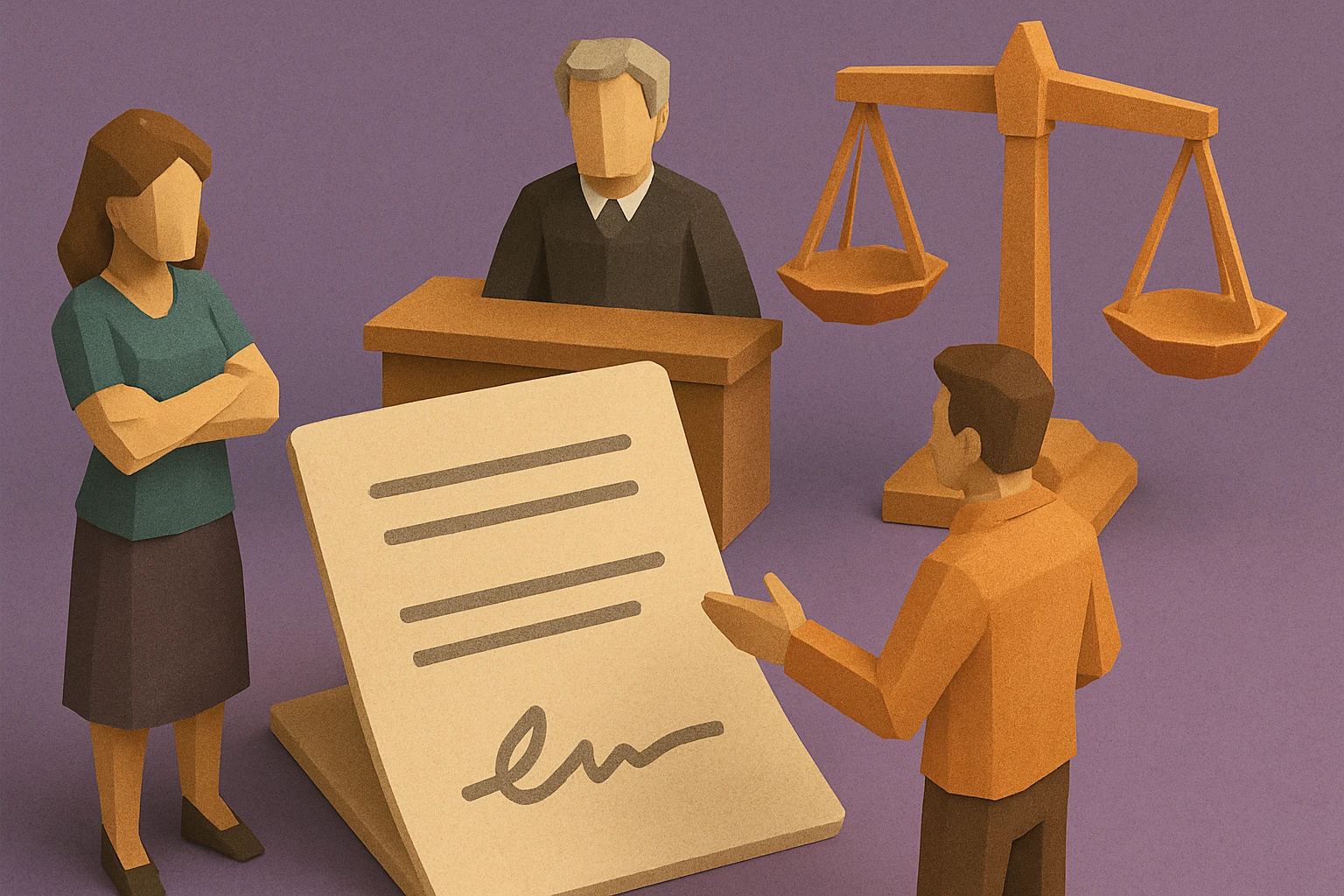
Legal threats can take many forms, from formal letters and formal demands to verbal threats about potential legal action. Information about what constitutes a legal threat and the options that may be available can help people respond and consider their interests.
Understanding legal threats in Australia
For people receiving threats about legal action, information about what this means and the options that may be available can be useful. Legal threats can range from informal warnings to formal notices from lawyers or courts, and they often create significant stress and uncertainty.
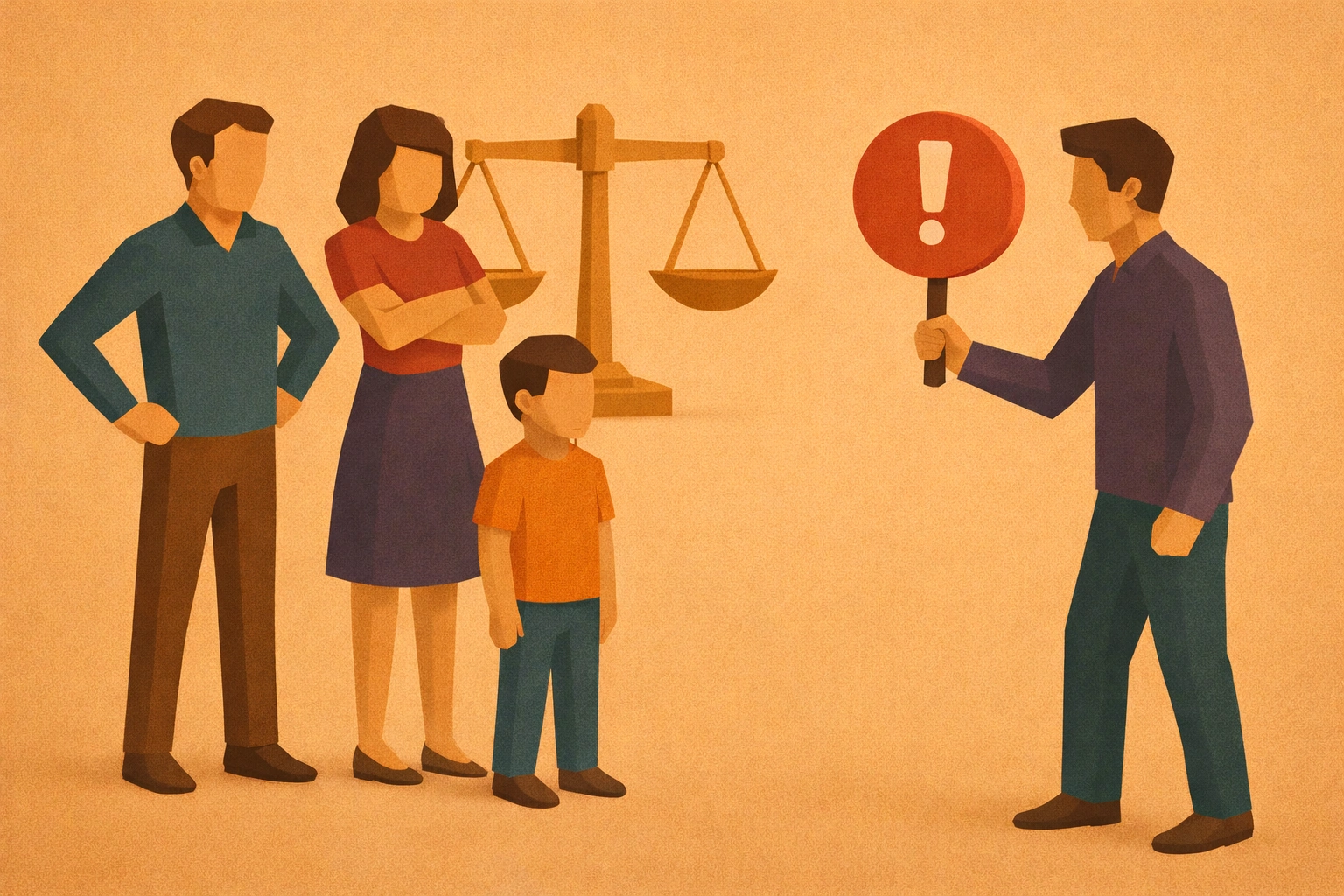
A legal threat typically involves someone indicating that they intend to take action against another person, whether through civil proceedings, court application, or other legal mechanisms. This might happen in person, via email, letter, phone, or through social media. The threat may relate to family law matters, contract disputes, debt recovery, or other legal issues.
The directions a matter takes often depend on the nature of what is being threatened. In a family law context, people sometimes obtain advice to understand their position and options. In some situations people seek family lawyer assistance, particularly where time limits are involved or children are affected.
Receiving a legal threat does not automatically mean a person is in the wrong, nor does it mean court proceedings will necessarily follow. People often take such threats seriously and seek clarity about them. Some threats may be genuine legal warnings, while others might be attempts to pressure a person into action.
Key points
Legal threats can come in many forms and relate to various legal areas
The directions a matter takes often depend on the specific nature and context of the threat.
Time limits often apply, and these are connected to particular stages of proceedings.
People sometimes obtain advice from a family lawyer where children are involved.
Information-gathering is one approach people sometimes take in responding to such situations.
Common situations
Legal threats arise in many different contexts, and the directions each situation takes can vary. Information about where a situation fits can be relevant to the directions it might take.
Common scenarios include:
A family member threatening to take out an intervention order against you
An ex-partner threatening to pursue urgent property orders in family court
A creditor or business contact threatening court action for unpaid debts
A neighbour threatening legal action over a property boundary or nuisance issue
Someone threatening to take custody or parenting disputes to family court
A landlord threatening to pursue a court application for eviction or rent recovery
Someone threatening to sue you for personal injury or property damage
A business partner threatening legal action relating to a commercial dispute
When a legal threat is received but no formal action has yet been taken, there is often a period before any formal steps occur. How a matter develops can depend on a range of matters and on the circumstances involved. A range of consequences can arise in legal matters generally, including default judgments (where a court decides the case without hearing one side), among other possible outcomes; how each factor is weighed depends on the circumstances.
What to consider
What exactly is being threatened, and what is the deadline or timeframe mentioned?
Is this threat coming from an actual lawyer or legal representative, or is it from an individual?
Do you have any documents or communications that support your position?
Are there any time limits that might apply to your response or to the threatened legal action?
What would be the likely consequences if the threat proceeded to actual court proceedings?
Would immediate legal support reduce your stress and help clarify your position?
Is there any opportunity to resolve the matter before formal legal action begins?
What you can do next and how LawConnect can help
For people being threatened legally, a range of approaches may relate to how matters are responded to and to their interests.
People sometimes take time before making decisions or responding.
Reviewing communications received, including emails, letters, messages, and notes of phone conversations, is one approach people sometimes take.
Recording key facts about what happened, when it happened, and who was involved is one approach people sometimes take.
Reviewing correspondence for matters connected to particular stages of proceedings or specific claims being made is one approach people sometimes take.
People often consider whether the threat relates to family law, property, business, debt, or another area, as this affects the kind of support that may be relevant.
People often look into whether there are formal processes that may apply.
People sometimes obtain specialist guidance where the threat involves children, family dynamics, or urgent property orders.
How LawConnect can help
For people receiving legal threats, information can be relevant to understanding a situation. LawConnect provides personalised legal information through our AI legal assistant, which can help you understand the general principles involved in your situation and what options may be available.
You can use our AI legal assistant to explore common questions about your specific circumstances, whether the threat relates to family court, contract disputes, or other matters. The assistant helps you understand general legal concepts and the different directions your situation might go.
Where the threat is serious, connected to particular stages of proceedings, or involves children, people sometimes obtain tailored legal advice. Only a licensed lawyer can provide legal advice specific to your circumstances and can help you develop a proper response strategy. If you decide you need this level of support, LawConnect can connect you with specialised lawyers who can review your situation, advise you on your specific options, and help you respond effectively.
Starting with information through our AI assistant can help you feel more informed and prepared before speaking with a lawyer, which often makes those conversations more productive.