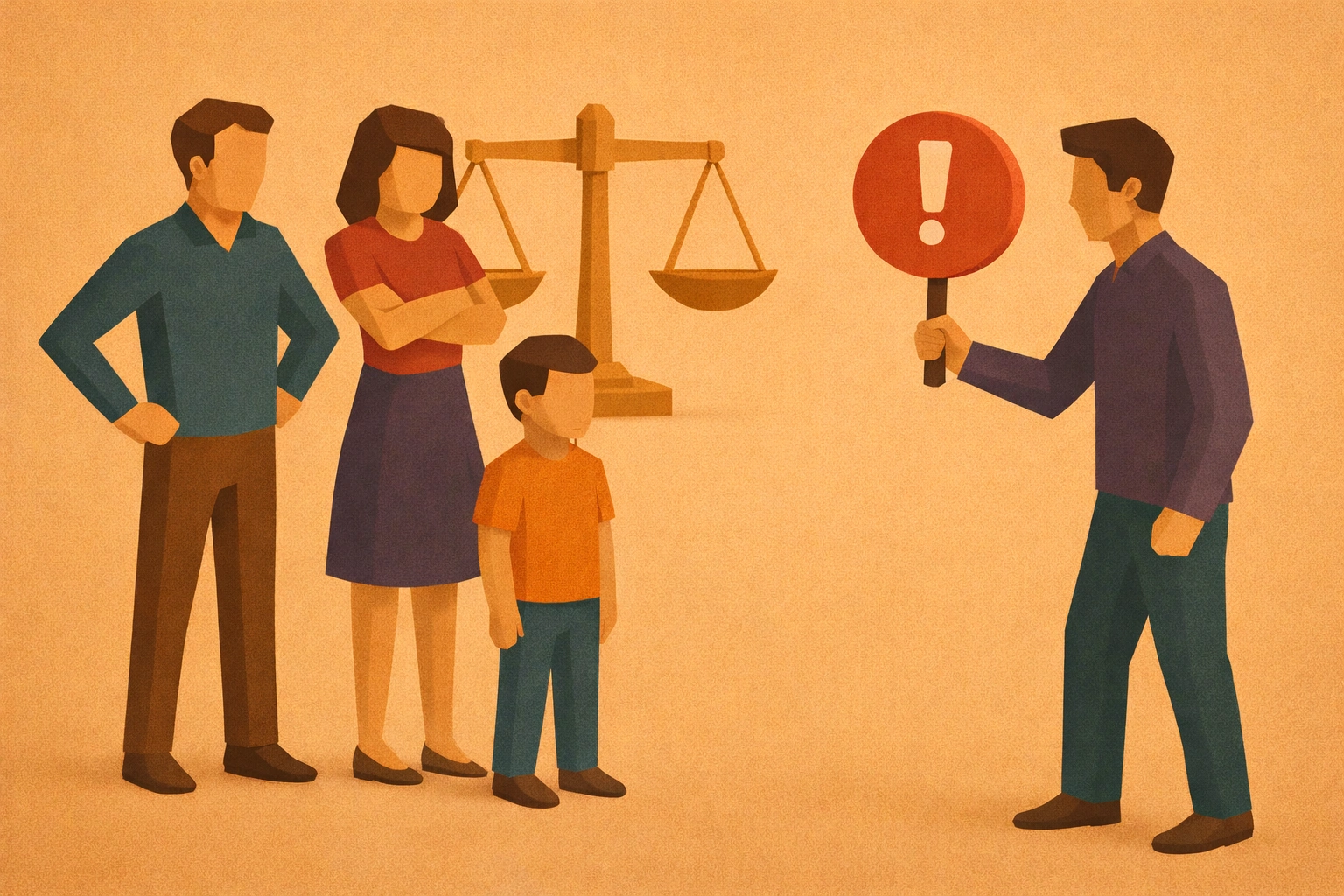


Property settlement after separation
Property settlement after separation involves dividing assets, liabilities, and superannuation between you and your former partner. This guide explains how property settlement works in Australia, what the legal process involves, and what factors may be considered when dividing property.

What property settlement means in Australia after separation
When a relationship ends, the process of determining how assets and liabilities are divided between separated partners is often called property settlement after separation. This is a significant legal and financial matter that affects both spouses or de facto partners.
In Australia, property settlement is governed by the Family Law Act 1975 (Cth) and similar state-based legislation. The courts recognise that both partners may have contributed to the accumulated assets during the relationship, whether through financial contributions, homemaking, or caring responsibilities. Property settlement after separation aims to achieve a fair allocation of these assets.
The process of dividing assets after separation can take several forms. Some couples reach agreement through negotiation or mediation, while others may need court involvement. Common tools used include consent orders (formal court-approved agreements) and financial agreements (binding contracts made outside court).
Key points
Both partners generally have legal rights to a share of relationship assets
The concept of marital property extends beyond just the family home to include superannuation, business interests, investments, and personal property
Family law property settlement considers both financial and non-financial contributions to the relationship
The process can be resolved through negotiated agreement or court determination if parties cannot agree
Matters connected to particular stages of proceedings may be relevant to when claims can be made after separation.
Understanding what property settlement involves is important because the decisions made during this period can have lasting financial consequences. People sometimes seek clarity about their rights and obligations under Australian family law, whether through negotiation, mediation, or court proceedings.
Common situations
Property settlement after separation can arise in various circumstances, and people often begin by considering their own situation.
You may be facing property settlement if:
You've recently separated from a spouse or de facto partner
You own a family home and need to decide who keeps it or how to divide its value
You have superannuation that may need to be split between partners
You own business interests or investment properties that form part of relationship assets
You're unsure about your entitlements or what assets should be included in settlement discussions
You need to divide assets after separation but cannot agree on a fair arrangement
You have significant financial contributions or non-financial contributions to recognise
You're concerned about protecting your interests in the division of assets
Property settlement outcomes depend on a range of matters, and how each factor is weighed depends on the circumstances. Disputes may emerge in circumstances where a division is perceived as unfair or where assets feature differently in negotiations. Where formal consent orders or financial agreements are not in place, parties may experience uncertainty about what was agreed and challenges in enforcing arrangements. These disputes can become lengthy and costly, affecting both parties' financial security.
What to consider
What assets and liabilities exist, and have all been disclosed?
What were each partner's contributions during the relationship?
Are there dependent children, and how might this affect settlement?
How will superannuation splitting be handled?
Would consent orders or a financial agreement provide protection?
What is the timeline, and are there any court deadlines?
Would mediation or negotiation be more suitable than court proceedings?
What professional support might you need?
What you can do next and how LawConnect can help
People facing property settlement after separation sometimes find that organising information helps clarify their position and options.
People often gather information about relationship assets and liabilities, such as property, superannuation, investments, and debts.
People often document their financial and non-financial contributions to the relationship.
People sometimes reflect on whether they and a former partner can discuss settlement directly or whether a mediator may assist.
People often look into the forms of settlement available, such as consent orders or financial agreements.
People often reflect on what matters most to them in a settlement.
People often look for clarity on matters connected to particular stages of proceedings.
People sometimes reflect on whether guidance from a family law specialist may be relevant.
How LawConnect can help
Property settlement after separation is a complex area where many people need guidance to understand their options and rights. LawConnect provides personalised legal information through our AI legal assistant, which can help you understand general information about the settlement process, asset division principles, and the different pathways available.
You can start by asking questions about your situation, and our AI can provide information tailored to help you better understand how property settlement works in Australia. We can explain concepts like consent orders, financial agreements, and asset division in plain language.
However, only a licensed family lawyer can provide legal advice specific to individual circumstances, assess particular assets and contributions, and assist people through negotiation or court proceedings. If you decide you need professional legal advice, we can connect you with experienced family law specialists who can advise you on the best approach for your situation.
People sometimes observe that an understanding of their position may relate to the decisions they make about settlement.