













Sole vs joint divorce application

Not sure what to ask?
Ask one of these smart questions. Get personalised information about your situation.


Sole vs joint divorce application
In Australia, you can apply for a divorce either on your own (a sole application) or together with your spouse (a joint application). Understanding the differences between these options can help you decide which approach suits your circumstances and what to expect through the process.
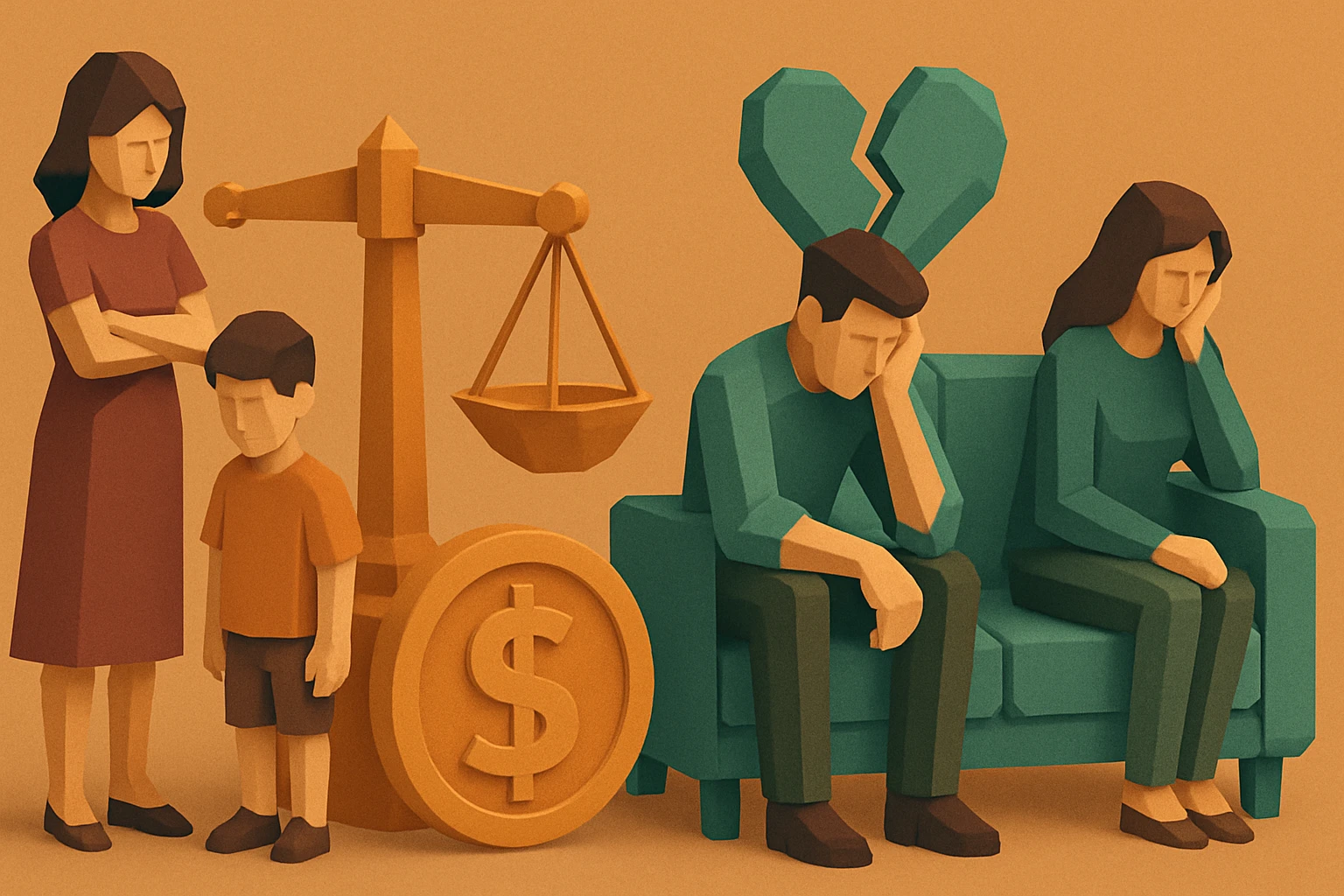
What sole and joint divorce applications mean in Australia
When you decide to end your marriage in Australia, you have a choice about how to proceed. You can make a sole divorce application, where one spouse applies for the divorce without the other spouse's agreement. Alternatively, you can apply for divorce together as a joint application, where both spouses agree to the divorce and apply simultaneously.
A sole divorce application is filed by one party (the applicant) and served on the other party (the respondent). The respondent then has the opportunity to respond, though they cannot contest the divorce itself if the required grounds are met. When you decide to apply for divorce together through a joint application, both parties must agree from the outset and sign the application form together.
The key difference lies in consent and process efficiency. Joint applications are generally faster because they avoid potential disputes about the divorce itself. However, not all separating couples are in a position to make a joint application, particularly if there's conflict or communication difficulties.
In Australia, under the Family Law Act 1975, you can only divorce on one ground: the irretrievable breakdown of your marriage, evidenced by at least 12 months' separation. Whether you choose a sole divorce application or a joint approach, this requirement remains the same.
Key points
A sole divorce application is filed by one spouse without requiring agreement from the other
A joint application requires both spouses to agree and be involved in the process
Both pathways require 12 months' separation before divorce can be finalised
Joint applications are often simpler and quicker to process
The approach people take often depends on a range of matters, including individual circumstances, level of communication, and whether agreement is possible.
Common situations
The approaches people take to divorce can vary depending on their circumstances. People sometimes consider whether a sole application or joint approach suits their circumstances:
Your relationship has broken down, but your spouse refuses to discuss or accept the divorce
You and your spouse have agreed to separate and want a straightforward, cooperative process
Communication is limited or contentious, making joint decisions difficult
You've been separated for 12 months and want to move forward independently
Your spouse is uncontactable or living overseas
You want to minimise costs and court involvement by working together
Some people also want clarity about what happens with property, children, or spousal support at the same time.
The approach chosen can sometimes affect the length or complexity of the process. For example, where a sole application is filed in situations where joint agreement is possible, the process can sometimes be lengthier and more costly. Conversely, attempting a joint application when genuine agreement doesn't exist can cause the matter to stall or collapse.
What to consider
Is your spouse willing and able to agree to the divorce?
Can you both communicate effectively about the separation process?
Do you have unresolved issues around property, children, or support that need separate resolution?
How quickly do you want the divorce finalised?
Are there any barriers to service (such as your spouse's location)?
What are the likely costs under each pathway?
Would seeking guidance about your options help clarify the best approach?
What you can do next and how LawConnect can help
People sometimes find that matters connected to particular stages of proceedings can be associated with how the process unfolds. You may wish to:
People often confirm their separation date and whether 12 months have passed.
People often gather their marriage documents and identify their assets and liabilities.
People sometimes consider whether court hearing requirements or divorce service requirements might affect their timeline.
People sometimes look at whether a spouse is likely to cooperate or contest the divorce.
People sometimes keep a record of any communication attempts and whether a spouse is contactable.
People often review the differences between sole and joint pathways and which may suit their circumstances.
People often collect any evidence or documents supporting their separation.
People sometimes consider whether to seek professional support before filing.
How LawConnect can help
Deciding between a sole application and joint application can feel overwhelming for some people, particularly when emotions are high and court processes are unfamiliar. LawConnect provides personalised legal information through our AI legal assistant to help you better understand your options.
You can start by asking questions about sole applications, joint applications, divorce service requirements, or what happens at a court hearing. Our AI will provide general guidance tailored to help you understand the landscape and what may be relevant to your situation.
Decisions about a person's specific circumstances, assets, and children generally involve advice from a licensed family lawyer. Lawyers generally review a person's individual details and provide legal advice specific to a case, including which application type may be relevant.
If you'd like to take this step, we can connect you with licensed family lawyers who specialise in divorce matters. They can assess your situation and guide you through the process with confidence, whether you're proceeding alone or exploring settlement options with your spouse.
Not sure what to ask?
Ask one of these smart questions. Get personalised information about your situation.

Sole vs joint divorce FAQs

A sole divorce application is filed by one spouse without the agreement of the other. A joint application requires both spouses to agree and apply together. Joint applications are generally simpler and faster, as they demonstrate mutual agreement on the dissolution of the marriage. Sole applications may involve contested proceedings and require the court to be satisfied the marriage has irretrievably broken down.
Joint applications are sometimes used in situations where both parties agree the marriage has ended. Joint applications tend to be faster, less adversarial, and can reduce legal costs. However, this depends on individual circumstances and whether mutual agreement exists. We can connect you with a licensed lawyer who can discuss which application type suits your situation.
If one spouse refuses to sign a joint application, the other may proceed with a sole application. In a sole application, the applicant generally must demonstrate to the court that the marriage has irretrievably broken down, even without the other spouse's agreement. This may require additional evidence and can be more time-consuming than a joint application. A lawyer can advise on your options.
In most uncontested joint divorce applications, neither party needs to attend court. The application is determined on the papers submitted. However, if proceedings become contested or the court requires clarification, one or both parties may need to attend. Court attendance requirements depend on the specific circumstances and whether any issues are disputed.