













Will assault charges be dropped?

Not sure what happens next?
Try one of these. Get tailored guidance on your assault charge.


Will assault charges be dropped?
Assault charges may be dropped at various stages of the legal process, depending on the evidence, witness statements, and other circumstances specific to your case. Understanding when and how charges might be withdrawn can help you know what to expect if you're facing assault allegations in Australia.
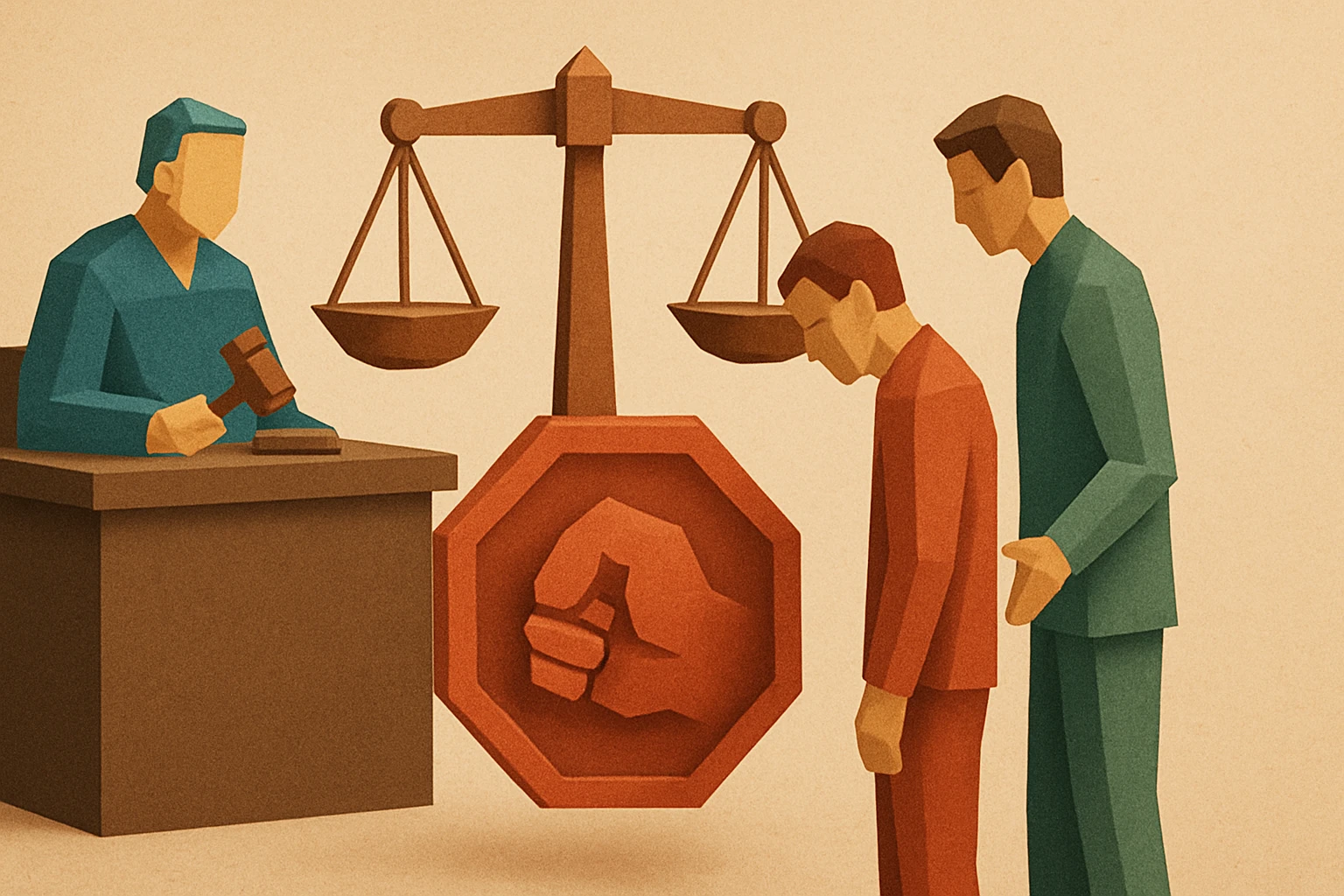
How assault charges can be withdrawn in Australia
In Australia, assault charges may be withdrawn at various stages of the criminal justice process. Understanding when and how this can happen is important if you're facing such charges or involved in a situation where charges have been laid.
Assault charges are typically brought by police on behalf of the state, not by the victim alone. This means that a victim's desire to withdraw an assault complaint does not automatically result in charges being dropped. However, there are several pathways through which charges might be withdrawn or discontinued.
If a victim withdraws their statement, this can significantly impact a prosecution's case, particularly if that statement was key evidence. When a victim withdraw statement, investigators and prosecutors must reassess whether they have sufficient evidence to proceed. Similarly, when a victim seek to withdraw assault complaint, prosecutors may decide there is no longer realistic prospect of conviction.
Charges may also be withdrawn due to insufficient evidence, issues with witness credibility, legal problems with how evidence was obtained, or agreements reached through negotiation. The police or prosecution may decide to withdraw charges if proceeding would not be in the public interest.
It's important to note that the process differs depending on whether you're in a local or district court, and the stage at which withdrawal occurs. Early intervention and proper legal representation can influence outcomes.
Key points
Assault charges are prosecuted by the state, not the victim
A victim's withdrawal of complaint can influence but does not guarantee charge withdrawal
Charges may be withdrawn due to insufficient evidence, legal issues, or public interest considerations
The stage of court proceedings affects how charges can be withdrawn
Professional legal representation can help navigate options
Time limits and procedural rules vary depending on your jurisdiction and circumstances
Common situations
Assault charges may arise in various contexts, and the path to potential withdrawal depends on the specific circumstances.
Common situations include:
A dispute between neighbours, colleagues, or acquaintances escalates and police are called
Domestic or family-related incidents where tensions are high but circumstances later change
Misunderstandings or situations where both parties share responsibility
Incidents where the complainant initially wanted charges pursued but later reconsiders
Situations where evidence of self-defence, necessity, or other legal defences emerges
Cases where the alleged victim and accused person reach a private resolution
Situations involving witnesses who become unavailable or unwilling to testify
When charges are laid but later withdrawn, there can be real consequences if the process isn't handled correctly. If charges are withdrawn only after significant court appearances, this may have already affected your employment, reputation, or personal circumstances. Delays in withdrawal can also create prolonged uncertainty about your legal status and future.
What to consider
Whether the complainant is genuinely willing to support a withdrawal or drop the charges
Whether you have a realistic legal defence to the allegations
The stage of criminal charges at which you're seeking withdrawal (early or late in proceedings)
Whether negotiation or mediation might resolve the underlying dispute
Whether gathering evidence of your account of events is possible
The potential impact of a conviction versus a withdrawal on your future
Whether you have documentation, witnesses, or other evidence supporting your position
What you can do next and how LawConnect can help
If you're facing assault charges or seeking to understand your options, you may wish to:
Gather all relevant documentation about the incident, including messages, emails, witness contact details, and any medical records
Write down your account of events while details are fresh
Identify any witnesses who can support your version of events
Research the sentencing outcome and penalties for assault charges in your state to understand what's at stake
Understand the court process and what your legal options are at each stage
Seek initial legal advice about your specific circumstances and prospects for withdrawal
Consider whether mediation or negotiation with the other party might help resolve the matter
How LawConnect can help
Facing assault charges can feel overwhelming, and understanding whether charges might be withdrawn requires clarity about the evidence, legal options, and the court process available to you. That's where LawConnect comes in.
LawConnect provides personalised legal information through our AI legal assistant. You can start by asking questions about your situation, and our AI can help you understand general legal information about how withdrawal of charges works, what factors influence outcomes, and what options may be available.
However, only a licensed lawyer can provide legal advice tailored to your specific circumstances. What works in one case may not apply to another, and your individual situation, evidence, and legal defences need personalised assessment.
If you'd like to move beyond general information and receive specific legal advice, we can connect you with a criminal lawyer who can review your case, advise you on realistic prospects, and represent you through the court process. Having professional support from the early stages can help protect your rights and improve your outcomes.
Not sure what happens next?
Try one of these. Get tailored guidance on your assault charge.

Assault Charges FAQs

Assault charges may be withdrawn, but this depends on several factors, including the stage of proceedings and whether the prosecutor agrees to withdraw them. Once charges reach court, a prosecutor may withdraw them with permission from the court. However, the decision ultimately rests with the prosecution, not the complainant. A lawyer can explain your options in your specific situation.
In Australia, the victim cannot formally drop assault charges themselves. Criminal charges are prosecuted by the state, not by the victim. However, a victim's wishes are often considered by prosecutors when deciding whether to continue with charges. If you are the victim and wish to withdraw your complaint, speaking with the prosecution or a lawyer about your options is important.
In most cases, the prosecution (represented by the police or Crown prosecutor) decides whether charges proceed. They consider factors such as evidence strength, the public interest, and witness cooperation. The victim's views may be taken into account, but the final decision rests with the prosecution, not the victim or the defendant.