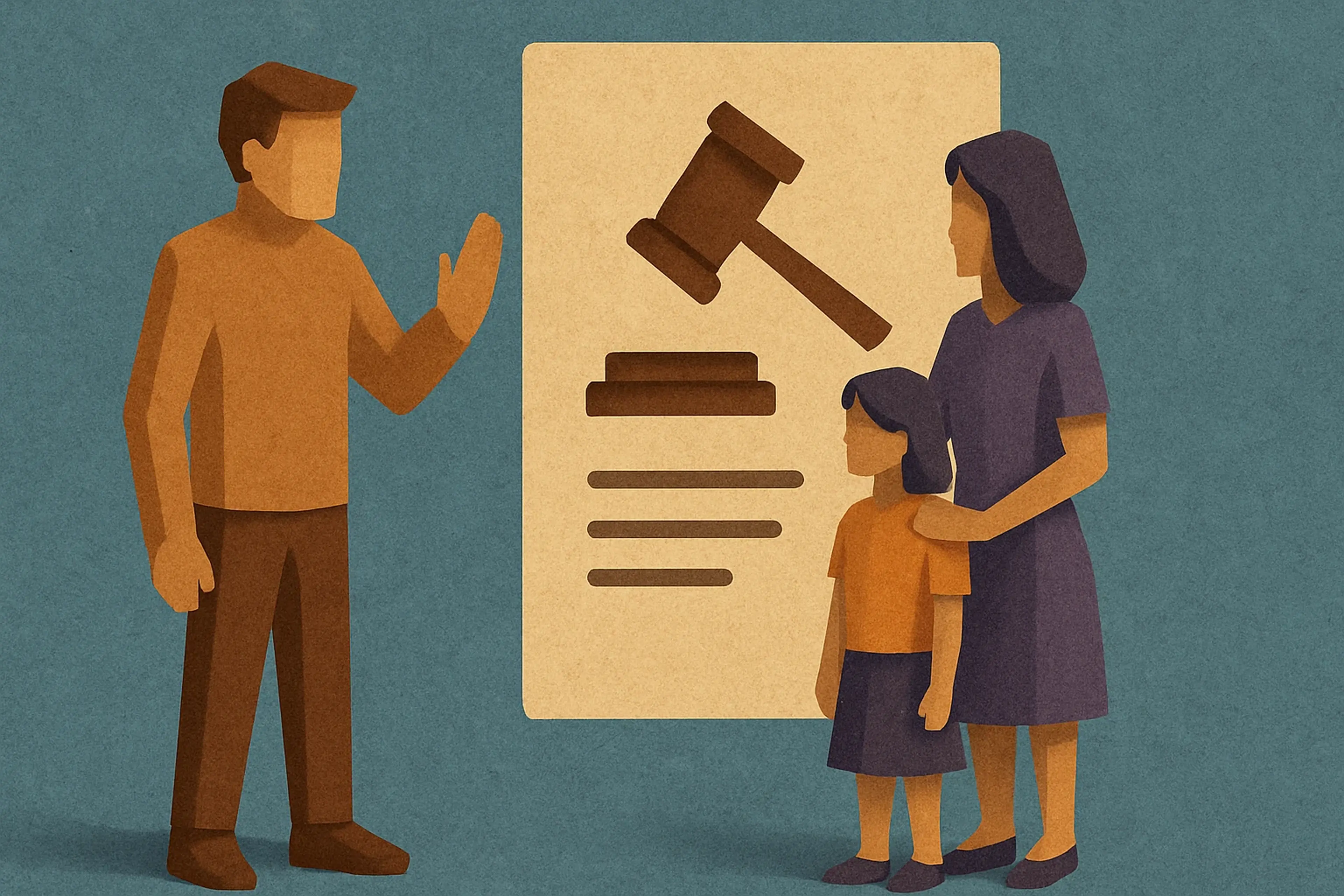
Breaching an AVO
Breaching an Apprehended Violence Order (AVO) means failing to comply with the conditions set out in the order, which can result in serious legal consequences. This guide explains what constitutes a breach, how the law treats breaches, and what may happen if you breach an AVO.
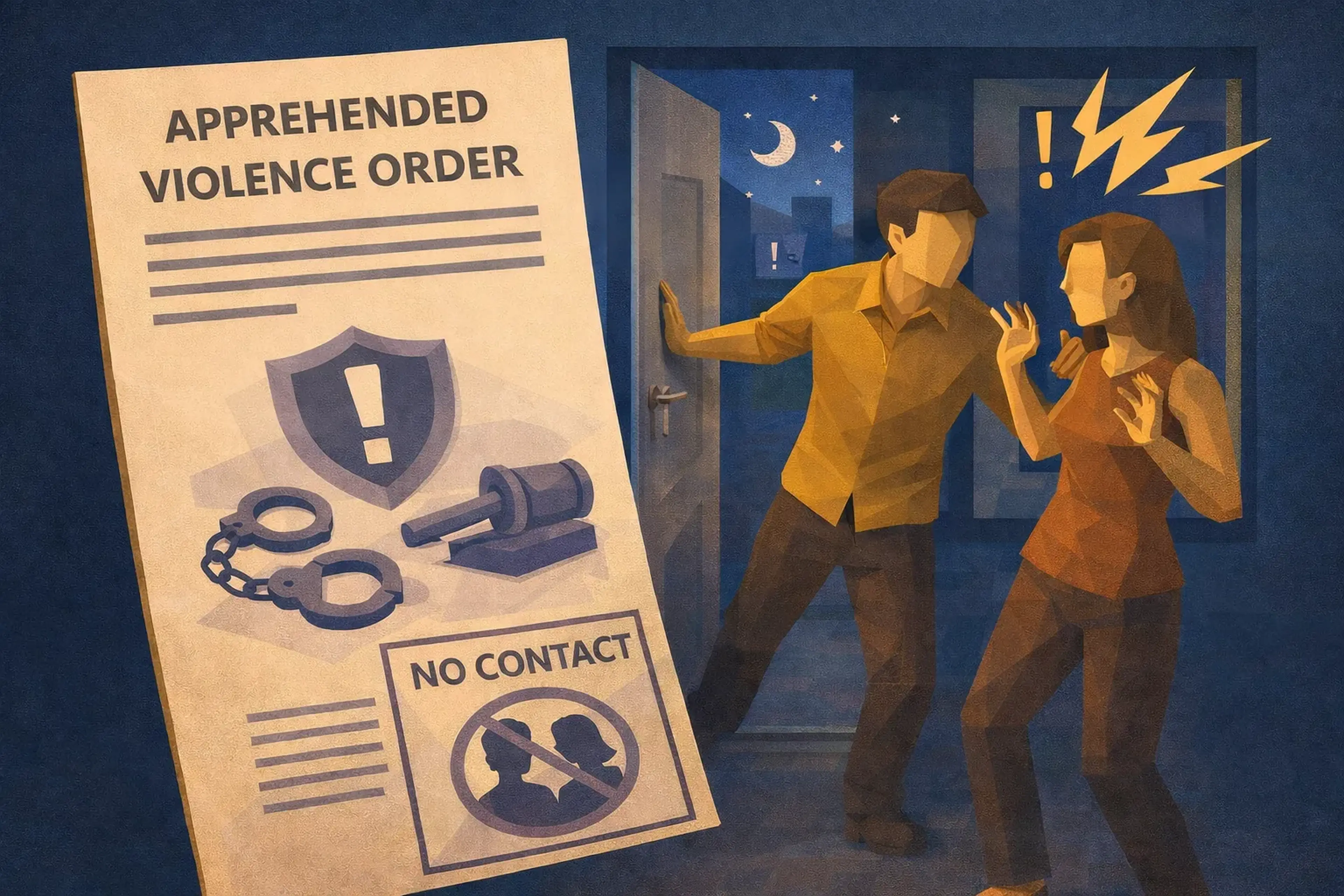
What breaching an Apprehended Violence Order means in Australia
An Apprehended Violence Order, commonly called an AVO, is a court order designed to protect people from violence, harassment, intimidation, or other harmful behaviour. When someone is subject to an AVO, they must comply with the conditions set out in that order. These conditions are legally binding.
Breaching an AVO occurs when a person violates one or more of the conditions imposed by the court. This might involve contacting a protected person, going near certain locations, or engaging in behaviour that the order explicitly prohibits. A breach avo can happen in various ways, and what constitutes a breach depends on the specific conditions written into that particular order.
People often find that the requirements of an order vary depending on its specific terms. Many people don't realise that failing to comply with an AVO is treated as a serious matter under Australian law. When someone breaches the terms, it's not simply ignored. The consequences can be significant.
A penalty for breaching avo can include criminal charges being laid against the person who has violated the order. The conditions generally apply from the moment the order is issued. Even unintentional breaches can result in action being taken, and the scope of what is and isn't allowed depends on the order's terms.
Key points
An AVO is a court-ordered protective measure with specific conditions that must be followed
Breaching these conditions is treated as an avo breach criminal offence
Not all contact or proximity is necessarily a breach, it depends on the order's wording
The person protected by the order can report breaches to police
The specific conditions of an order generally determine what compliance involves.
Breaches can have serious legal consequences
Common situations
Breaches of AVOs happen in various circumstances, and common scenarios may illustrate what situations could involve legal risk.
You may be dealing with an AVO situation if:
You've been served with an order and are unsure exactly what you can and cannot do
Someone has accused you of breaching the order, but you believe you complied
You accidentally encountered the protected person in public and worry it constitutes a breach
You sent a message or tried to contact the protected person without realising it violated the order
You've been told by police that a complaint about a breach has been made
The protected person has initiated contact with you, creating confusion about what's allowed
You live or work near the excluded location and are concerned about inadvertent violations
You want to understand what happens if you breach the order
When someone breaches an AVO, the consequences can be significant. Police may investigate, and the matter may progress through the court process. If found guilty of breaching, penalties can include fines, community service, or in serious cases, jail time. Even first-time breaches are taken seriously.
What to consider
Have you read and fully understood every condition in your AVO?
Are there any conditions that seem unclear or ambiguous to you?
Do you know how to report a breach if the protected person contacts you?
What documentation might prove you've complied?
Are there legitimate reasons you might come into proximity with the protected person?
How much time do you have to respond if accused of a breach?
Should you seek clarification from a lawyer about your specific conditions?
What you can do next and how LawConnect can help
People dealing with an AVO, whether served with one or concerned about an alleged breach, often take a range of practical approaches.
People often read their AVO carefully to understand each condition.
People often keep a copy of the order available for reference.
People often document compliance and any interactions that might be relevant.
People who are unsure about what is allowed often seek legal guidance.
People often keep records of any communication initiated by a protected person.
People who believe they have breached an order, or who have been accused of breaching, often take steps to address it.
People often obtain legal help when police approach them about an alleged breach.
A range of sentencing outcome options may exist when court proceedings are involved.
How LawConnect can help
Breaches of protective orders are a serious matter, and many people feel confused about what they can and cannot do under their AVO. It's common to feel uncertain about the exact scope of the conditions or worried about accidentally violating them.
LawConnect provides personalised legal information through our AI legal assistant. The questions and topics above provide a clearer understanding of how AVOs work, what breaches involve, and what general options may exist. Our AI can help you understand the legal framework and what to expect in different scenarios.
However, only a licensed lawyer can provide legal advice tailored to a person's specific circumstances and the exact conditions of their order. People facing criminal charges related to a breach, or with complex situations, often obtain professional legal support.
We can connect you with a lawyer who specialises in this area and can provide advice specific to your case. Lawyers generally review the order, explain available options, and may provide representation through the court process where relevant. How matters unfold can depend on a range of circumstances, including the stage at which they are addressed.