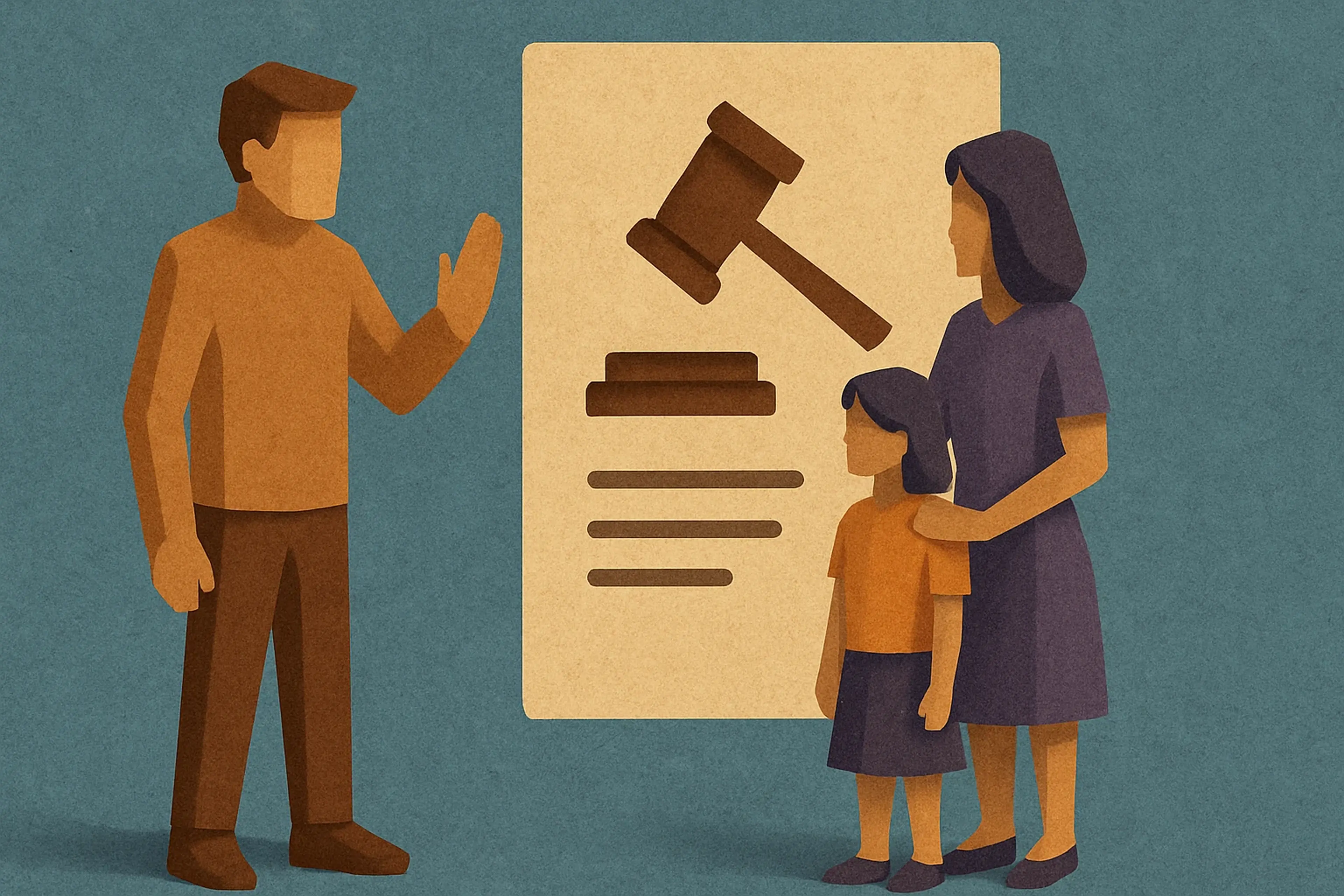
Common assault explained
Common assault is a criminal offence that involves intentionally or recklessly applying force to another person without their consent, or causing them to believe that force will be applied. This guide explains what common assault is, how it differs from other assault offences, and what to know if you're involved in a matter involving common assault.

What common assault means in Australia
Common assault is one of the most frequently charged offences under Australian criminal law. It involves intentionally or recklessly causing another person to apprehend immediate harm or unwanted contact. Unlike more serious assault charges, common assault does not involve serious bodily injury.
Under Australian law, common assault can occur through either an act (like pushing or striking someone) or words and gestures (like raising a fist threateningly). Under the law, an element that is often described is that the other person apprehends being harmed or touched without consent. The actual contact does not always need to occur for an offence to have taken place.
A common assault penalty will depend on several factors, including whether it is a first offence assault, the circumstances of the incident, and the jurisdiction where the offence occurred. Penalties may range from fines to periods of imprisonment, and in some cases, a criminal record may result. What constitutes this offence can affect how the situation is dealt with in court.
A distinction exists between common assault and self-defence. The law recognises that a person may use reasonable force to protect themselves or others, provided the response is proportionate to the threat faced. The circumstances surrounding an alleged assault are among the matters that may be relevant.
Key points
Common assault involves causing someone to apprehend immediate harm or unwanted contact
Physical contact is not always necessary for the offence to have occurred
Threats, gestures, and words can constitute common assault
Penalties vary depending on circumstances and whether it is a first offence assault
self-defence is a potential defence, and the law generally considers whether the force used was reasonable and proportionate
Common situations
Common assault can occur in many everyday contexts. You may be dealing with assault charges if:
An altercation at a pub or social venue escalates into physical contact or threats
A workplace dispute involves pushing, shoving, or threatening behaviour
A neighbour confrontation becomes heated, with aggressive gestures or threats
An argument within a family or relationship involves unwanted physical contact or fear of harm
A sports injury is alleged to involve intentional, reckless conduct beyond normal play
A minor incident at a shop or public space results in police involvement
Self-defence claims arise where someone may have used excessive force
What to consider
In situations that may involve common assault, several factors are among those people often consider:
Was there genuine apprehension of immediate harm, or actual contact?
What were the circumstances leading up to the incident?
Were there witnesses present who can give accounts?
Did the other person provoke the situation or consent to contact?
What does the evidence show about who initiated contact?
Is there a question about whether the response was self-defence?
Did the incident occur in a context where behaviour might be misunderstood?
How an alleged common assault is dealt with can affect the consequences that follow. A criminal record may affect employment, travel, professional licensing, and other opportunities. How a case proceeds may relate to a range of matters, including the sentencing process and available defences, and how each factor is weighed depends on the circumstances. Clarifying the facts and one's position at a point connected to particular stages of proceedings is something people often do.
What you can do next and how LawConnect can help
If you are involved in a situation related to common assault, the following steps may help:
matters people often record, including the date, time, location, and people involved
any witnesses who saw the incident that people often consider
evidence people often retain, such as photographs, messages, or recordings
whether a person has been charged or is under investigation is something people often clarify
how the events relate to the sentencing process and potential outcomes is something people often reflect on
whether self-defence or other circumstances are relevant is something people often consider
clarity on rights and obligations is something people often seek
How LawConnect can help
Common assault matters can be confusing, especially when you are uncertain about the law, the potential consequences, or your options. LawConnect provides personalised legal information through our AI legal assistant, which can help you understand the general legal landscape and what may be relevant to common assault charges.
People can ask questions about what happened, the possible outcomes, or the general options that may follow. The AI assistant will provide guidance tailored to the information you share, helping you better understand your situation and the general options available.
However, only a licensed lawyer can provide legal advice specific to your circumstances. If your matter is serious, contested, or you need representation, we can connect you with a criminal defence lawyer who can assess the evidence, advise you on your best course of action, and represent you through the sentencing process if necessary.
Clarifying one's situation at a point connected to particular stages of proceedings and obtaining support are things people often do, and how each factor is weighed depends on the circumstances.