

Bridging visa explained
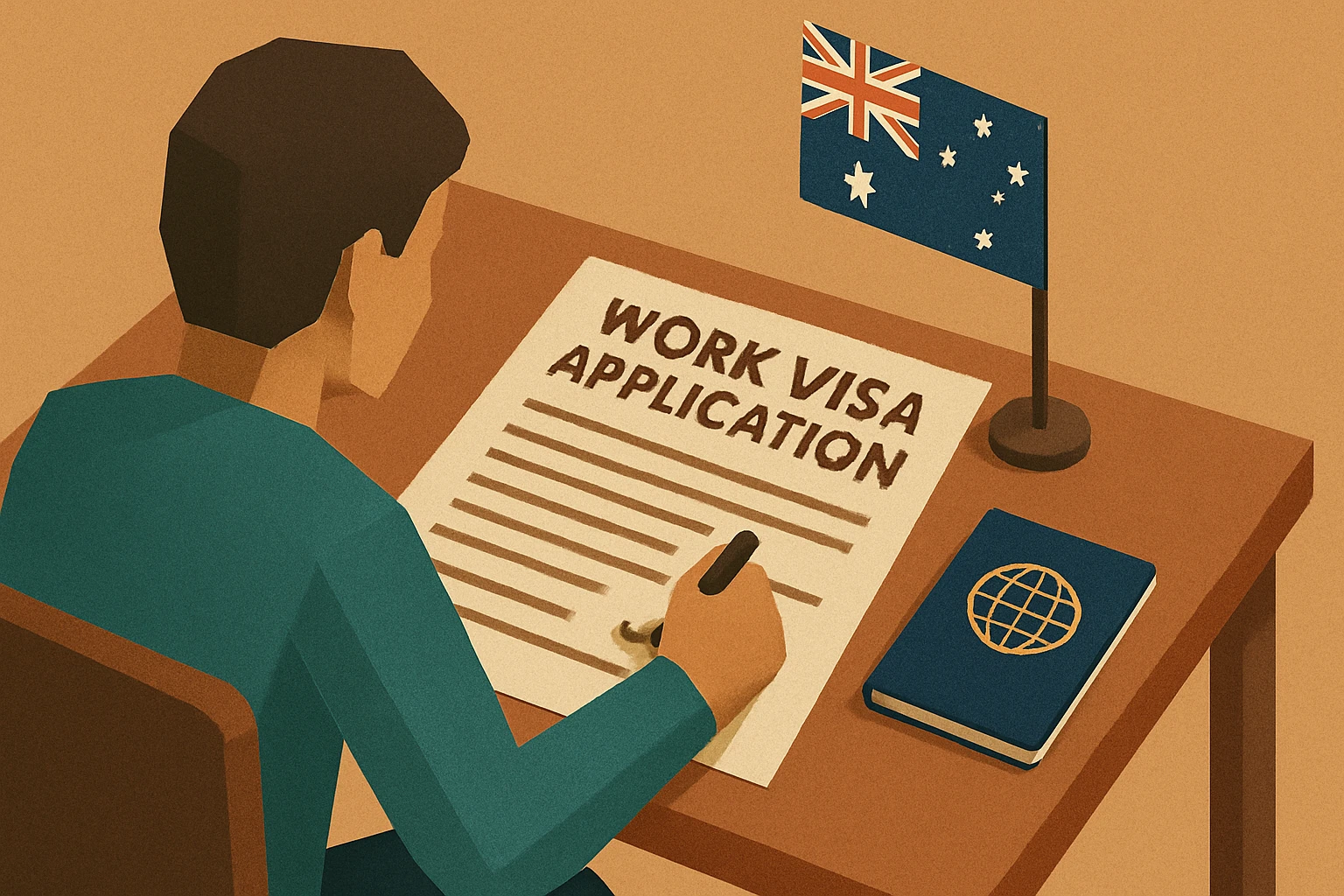
A bridging visa is a temporary visa that allows you to stay in Australia while you wait for a decision on another visa application. This guide explains what a bridging visa is, how it works, and what you need to know about eligibility and conditions.

What a bridging visa means in Australia
A bridging visa is a temporary visa status that allows you to remain in Australia while you wait for a decision on another visa application. It bridges the gap between your current visa expiring and the outcome of a new visa application you have lodged.
Bridging visas are issued by the Department of Home Affairs and provide a lawful status during this waiting period. Without a bridging visa, a person may be in a position of overstaying visa requirements, which may be associated with a range of consequences under immigration law. The visa allows you to stay after visa applications are being processed, giving you protection while you await the outcome.
There are different types of bridging visas available in Australia, each with specific conditions and restrictions. Some bridging visas allow you to work, study, or travel overseas, while others have limitations. The conditions attached to your bridging visa depend on which visa application you are waiting for and your personal circumstances.
A person's bridging visa status in Australia is something people often consider, as it relates to their rights and obligations while in the country. Your temporary visa status during this period is legally recognised, meaning you can generally work and study (depending on your conditions) and remain in Australia without breaching immigration law.
Key points
Bridging visas provide a lawful status while you wait for visa decisions
Different types have different conditions and work/study entitlements
Bridging visas may provide lawful status in relation to overstaying under immigration law.
Conditions vary based on your circumstances and the visa you are applying for
Compliance with all conditions is something that relates to the status of a bridging visa.
Common situations
You may need to consider a bridging visa if:
Your current visa is about to expire, and you have applied for another visa
You are waiting for a decision on a skilled migration or family visa application
You have applied for a permanent visa and need to remain in Australia during processing
Your partner visa application is being assessed
You are seeking a change of visa conditions while in Australia
You want to remain in Australia while appealing a visa refusal decision
You have applied for a specialist visa (such as student or work visas) and your current visa is running out
You are in Australia on a temporary visa and have lodged a subsequent application
In some cases, the absence of a bridging visa or differing awareness of its conditions may be associated with a range of consequences under immigration law. For example, where a visa expires and a bridging visa has not been granted, a person may become an unlawful non-citizen. This may result in visa cancellation, removal from Australia, or difficulties obtaining future visas. Working or studying without proper authorisation on a bridging visa may breach conditions and affect a person's immigration status.
What to consider
What is the status of your current visa and when does it expire?
Have you lodged another visa application that requires bridge coverage?
What conditions are attached to your bridging visa?
Are you permitted to work under your visa status?
Do you need to travel overseas while waiting for a visa decision?
Have you received information about visa refusal risks for your application type?
Should you seek clarification about the visa application process and timeline?
What you can do next and how LawConnect can help
If you are considering a bridging visa or are currently on one, you may wish to:
People often check the expiry date of their current visa and consider their status.
People often review any documents from the Department of Home Affairs about their bridging visa conditions.
People often confirm what work, study, and travel permissions apply to their visa.
People often clarify the expected processing time for their pending visa application.
People often gather any documents or evidence that may support their application.
People often consider whether they need specialist guidance on the visa application process.
People often keep records of their visa status and comply with applicable conditions.
People often plan ahead where a bridging visa may expire before a new application is decided.
How LawConnect can help
Bridging visas can be complex, and understanding rights and obligations during a temporary visa period is something people often consider. Many people find the waiting period stressful and want clarity about their status and what comes next.
LawConnect provides personalised legal information through our AI legal assistant. You can ask questions about bridging visas, visa status, and the visa application process, and receive guidance tailored to understanding your situation better.
If your circumstances are complex or you have experienced a visa refusal, or if you would prefer to speak with an immigration lawyer, we can connect you with licensed immigration lawyers who can provide legal advice specific to your circumstances. They can review your situation, explain your options, and guide you through next steps.
Understanding visa status and obligations is something people often consider in relation to their circumstances.