

What can I do if my visa is refused?
A visa refusal can be disappointing and stressful, but there are options available to you. This guide explains what happens when a visa application is refused, why refusals occur, and what steps you might consider next, including reviewing the decision or reapplying.
What a visa refusal means in Australia
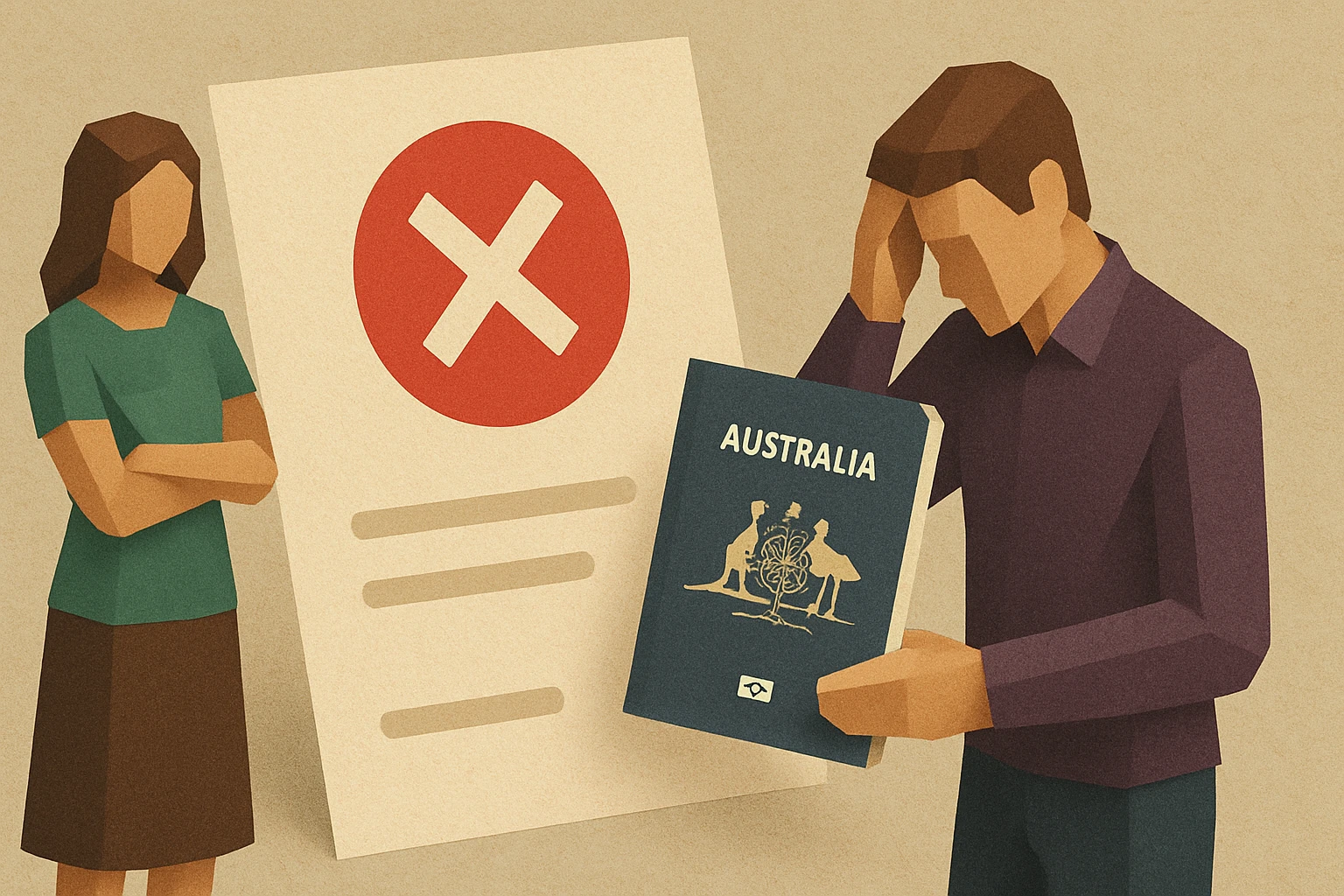
A visa refusal occurs when the Department of Home Affairs determines that your application does not meet the required criteria for the visa you applied for. When you receive a visa rejected notice, it means the decision-maker has assessed your application and found it does not satisfy the conditions outlined in the relevant visa legislation.
People often consider the reasons their visa was refused when looking at the options that may be available. The department typically provides reasons for the decision, which may relate to health requirements, character concerns, financial capacity, or failure to demonstrate genuine purpose. Receiving an immigration refusal can be difficult, but there are pathways available depending on your circumstances.
When a visa is refused, you may have options to challenge the outcome. The specific steps available depend on the visa type, the grounds for refusal, and whether you have exhausted previous review opportunities. Many people in this situation are unaware that options exist beyond simply reapplying.
Key points:
The department must provide written reasons for refusing your application
Different visa types have different review and appeal processes
Time limits are generally connected to particular stages of proceedings for lodging reviews or appeals.
You may be able to lodge a visa rejection challenge through administrative review
Legal representation is something people often consider when looking at their options.
The visa appeal process in Australia involves specific procedures and evidence requirements
Common situations
A visa refusal can occur in many different circumstances. The circumstances of a refusal can affect what steps may be available.
You may have received a visa refusal if:
Your application did not demonstrate genuine purpose for the visa (such as work, study, or visiting)
Health issues were identified during assessment
Character concerns were raised based on criminal history or conduct
You did not meet financial capacity requirements
Your supporting documents were incomplete or unconvincing
You failed to meet specific visa condition requirements
People sometimes apply for a visa type for which they were not eligible.
In some cases, a person's circumstances change after lodging but before a decision is made.
When a visa is refused, the consequences can be significant. For example, if you are in Australia on another visa when refused, your current visa status may be affected. For people who intend to stay in Australia long-term, a single refusal may delay their plans considerably. Receiving multiple refusals can also make future applications more difficult, as the department will review the history of your previous applications.
What to consider
Did the decision letter explain all reasons for the refusal clearly?
Do you have grounds to request an administrative review?
What evidence might address the concerns raised?
Are there changed circumstances since the refusal that could support a new application?
Could a bridging visa help you remain lawfully in Australia while pursuing your options?
How much time remains to lodge a review or appeal?
Would an immigration lawyer help you assess your options?
Time limits for reviews and appeals are generally connected to particular stages of proceedings.
What you can do next and how LawConnect can help
Where a visa has been refused, there are matters people often consider when exploring the general landscape of their options.
People often look at a full copy of the decision letter and the reasons provided for the refusal.
People often consider whether there is a right to request an administrative review through the relevant review body.
People often look at whether new evidence or updated information may relate to the reasons for the refusal.
People often consider their current visa status and how it may be affected.
People often explore whether a bridging visa might allow them to remain in Australia while pursuing options.
People often assess whether their circumstances have changed in ways that could support a new application or review request.
People often consult an immigration lawyer about their situation and available pathways.
How LawConnect can help
Receiving a visa refused notice can feel overwhelming, and whether options exist is not always straightforward. Many people are uncertain about what a visa cancellation might mean for their circumstances, or whether challenging the decision is worth pursuing.
LawConnect provides personalised legal information through our AI legal assistant. You can use our tool to explore general information about the visa appeal process, visa cancellation concerns, and the range of options that may be available depending on your circumstances. Our AI can help you understand the landscape and what questions to ask.
However, only a licensed immigration lawyer can provide legal advice tailored to a person's specific situation and advise on options available to them. We can connect you with experienced immigration lawyers who specialise in visa refusals and appeals. Immigration lawyers generally review a person's case, assess prospects of success, and explain the review or appeal process where relevant.
Time limits applying to reviews and appeals are generally connected to particular stages of proceedings. People often speak with a professional when considering their options.