











Drink driving laws in Australia

Not sure what to ask?
Try one of these questions to get personalised legal information.


Drink driving laws in Australia
Drink driving laws in Australia set legal limits for alcohol content in your blood or breath whilst driving, with penalties varying by state and territory. This guide explains the legal limits, how they're enforced, and the potential consequences of drink driving offences.
What constitutes drink driving under Australian law
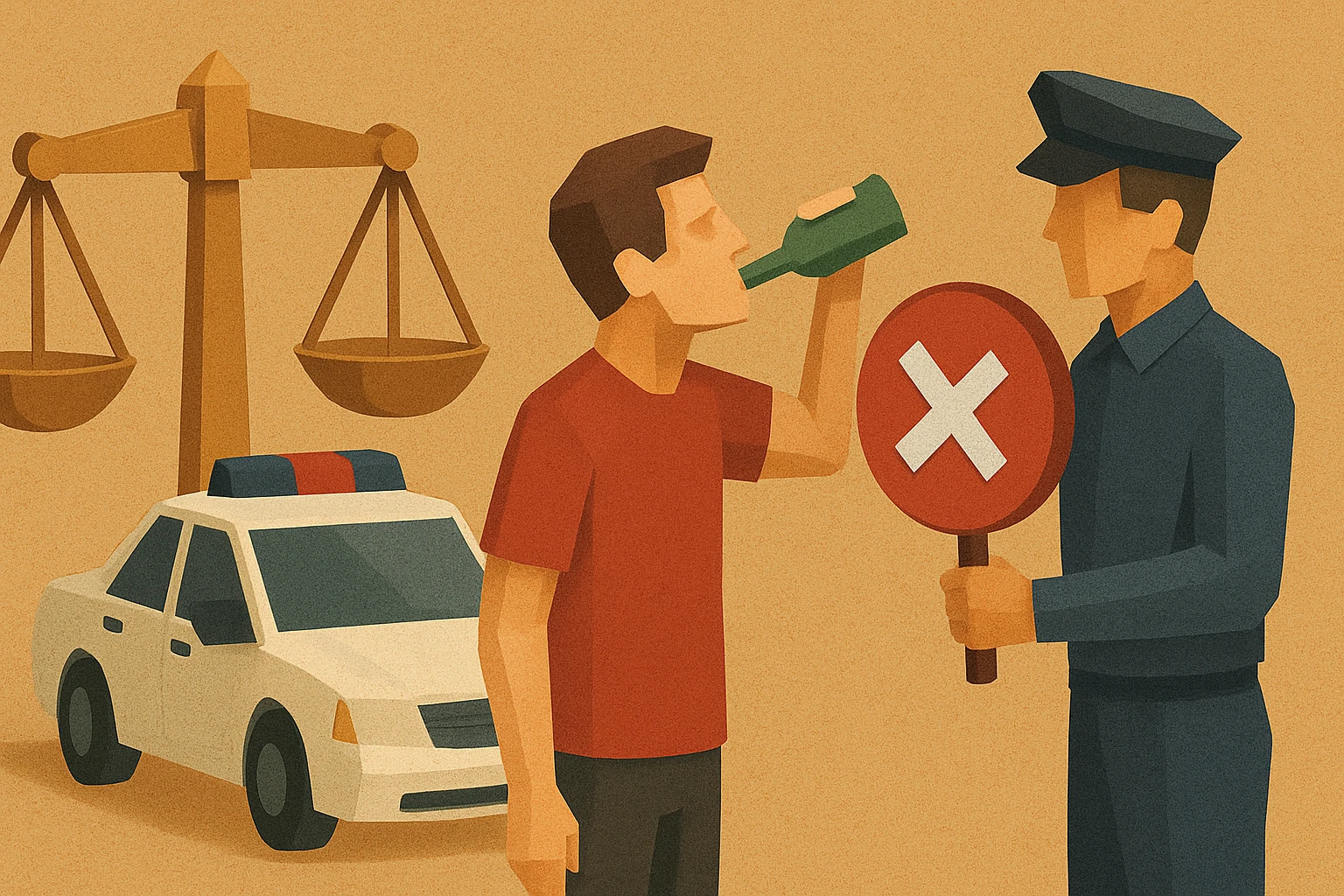
Driving under the influence of alcohol is a serious traffic offence in Australia. The law sets strict limits on how much alcohol you can have in your system before driving, based on a measurable blood alcohol concentration (BAC). These thresholds exist to protect road safety and reduce the risk of accidents caused by impaired driving.
In Australia, drink driving is defined by driving with a BAC over the legal limit. This limit varies depending on your licence type and the state but is often 0.05% for full licence holders and 0.00% for novice and professional drivers. This means they cannot consume any alcohol before driving.
Police use breath testing and blood tests to measure BAC levels. When you drive, you consent to these tests under the law. Where a reading exceeds the legal alcohol limit, drink driving penalties can include fines, license suspension, and potentially criminal charges.
Key points
The standard blood alcohol limit in Australia is 0.05% BAC for most drivers
Learner and probationary drivers must have a 0.00% BAC
Professional drivers (heavy vehicle, taxi, bus) typically have 0.00% limits
Police can conduct roadside breath tests without prior suspicion
Drink driving laws apply 24 hours a day on public roads
Penalties escalate with BAC level and prior offences
Common situations
Drink driving offences can occur in many everyday circumstances. You may find yourself facing enforcement action if:
You're stopped at a random breath test on your way home from a social event
You've had a single drink and are unsure whether it puts you over the limit
You're driving the morning after drinking and your BAC is still elevated
You're a learner or provisional driver and consume any alcohol
You're driving a heavy vehicle or taxi and have any detectable alcohol
You're involved in a traffic incident and are tested
People sometimes refuse or fail a breath test or blood test.
Errors in self-assessment may be associated with serious consequences in some circumstances. People sometimes underestimate how quickly the body metabolises alcohol, which may be associated with a first offence drink driving charge. Alcohol can persist in the body overnight, which may in some cases be associated with an unexpected positive test.
What to consider
How long does alcohol remain in your system?
Are you a novice driver subject to zero tolerance limits?
Do you understand the signs of impairment and your own limits?
What alternative transport options are available?
Are you aware of licence suspension consequences?
Do you know your rights during a roadside test?
What you can do next and how LawConnect can help
If you're concerned about drink driving laws or have been stopped by police, you may wish to:
Understand the legal alcohol limit that applies to your licence category and driving situation
Learn how alcohol is metabolised and how long it stays in your system
Find out what happens if you're asked to take a breath or blood test
Understand the potential consequences and what a criminal record might mean
Know your rights if you're detained or questioned by police
Consider whether you need legal representation if you've received an infringement notice
People who have been charged with a drink driving offence often explore the options available to them.
How LawConnect can help
Drink driving is a complex area where many Australians need clear, accessible information. You might be wondering about the legal alcohol limit, what penalties apply, or what to do if you've been charged. LawConnect provides personalised legal information through our AI legal assistant to help you understand general legal information and the options that may be available to you.
Our AI tool can answer your questions about how drink driving laws work, what to expect if you're tested, and what the enforcement process typically involves. However, only a licensed lawyer can provide legal advice specific to your circumstances, such as guidance on how a first offence might affect you personally or how to respond to a specific charge.
If you've been charged or need tailored advice, we can connect you with a drink driving lawyer who understands Australian traffic law and can provide legal advice based on your situation. Some people choose to seek information about their obligations and rights at stages connected to particular stages of proceedings.
Not sure what to ask?
Try one of these questions to get personalised legal information.

Drink driving laws FAQs

In Australia, the legal blood alcohol concentration (BAC) limit for most drivers is 0.05%. However, certain drivers including learner drivers, provisional licence holders, and professional drivers operating heavy vehicles have a stricter limit of 0.00%. These limits apply to breath and blood alcohol testing. People often note that even under the legal limit, alcohol can still impair driving ability.
Drink driving offences in Australia are generally categorised by BAC level. A low-range offence typically involves a BAC of 0.05% to 0.10%, mid-range involves 0.10% to 0.15%, and high-range involves 0.15% or above. Some jurisdictions also recognise 'zero' or 'special range' offences for certain drivers. The category often determines the severity of penalties applied. People sometimes consult a lawyer to understand how categories apply in a particular state.
Penalties for drink driving vary depending on the category of offence and whether it's a first or subsequent offence. Common penalties include fines, licence disqualification periods, and in serious cases, imprisonment. First-time offences may result in shorter disqualifications and lower fines, while repeat offences generally attract harsher penalties. Some offences may also result in mandatory alcohol education programs or interlock device installation. Exact penalties depend on your circumstances and state laws.
Drink driving convictions generally result in a criminal record in Australia. A criminal record can affect a person's employment prospects, professional licensing, travel, insurance, and other aspects of life. Some minor first-time offences may be dealt with through diversion programs or other mechanisms that could potentially avoid a conviction, depending on your state and individual circumstances. A criminal record from drink driving can have long-term consequences. We can connect you with a licensed lawyer who can advise you on your specific situation.