










High-range drink driving

Not sure what to ask?
Try one of these. Get answers tailored to your situation.


High-range drink driving
High-range drink driving occurs when a driver is caught with a blood alcohol concentration significantly above the legal limit. This guide explains what constitutes high-range drink driving, the potential consequences, and what you need to know if you're facing related charges.
What high-range drink driving means in Australia
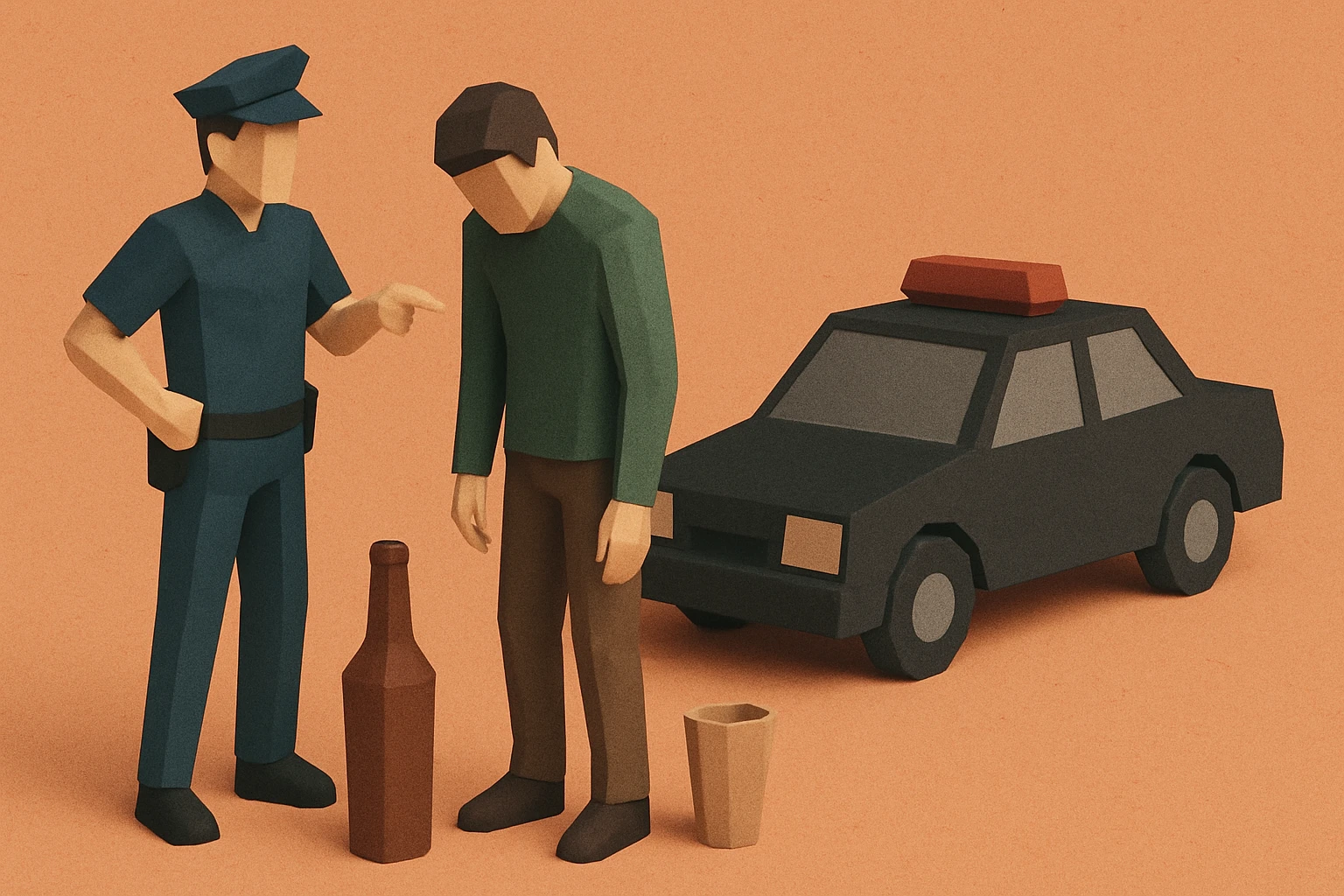
High-range drink driving refers to driving with a blood alcohol concentration (BAC) that significantly exceeds the legal limit. In Australia, the legal driving limit is 0.05% BAC for most drivers, but high-range offences typically apply when your BAC is substantially higher, often 0.10% or above, depending on your state or territory and licence category.
When a driver is caught driving with a high BAC, they face serious legal consequences. This is considered a more severe breach than low-range or mid-range drink driving because it represents a greater risk to public safety. The severity of the offence reflects the increased danger posed by driving under the influence of alcohol.
The penalties for high-range drink driving are generally more severe than other drink driving offences. These may include significant fines, a jail sentence, and mandatory licence disqualification. The exact consequences depend on your specific circumstances, including whether you have prior drink driving convictions, your BAC level at the time, and the state or territory where the offence occurred.
A high range pca penalty (prescribed concentration of alcohol) is applied when you're caught with excessive alcohol levels in your system. Drivers charged with this offence often face the prospect of a jail for drink driving, as courts treat these cases with considerable seriousness. Additionally, licence disqualification high range offences carry mandatory minimum periods where you cannot legally drive.
Key points
High-range drink driving involves a BAC that significantly exceeds 0.05%
Penalties are more severe than low or mid-range offences
Consequences typically include substantial fines, potential jail time, and licence disqualification
The exact penalties vary by state and personal circumstances
People facing such a charge often obtain professional legal advice.
Common situations
You may be facing high-range drink driving charges if:
You were stopped at a random breath test or police checkpoint with a BAC well above 0.05%
You were involved in a traffic incident where police conducted alcohol testing
You were pulled over for traffic violations and subsequently tested for alcohol
You are a commercial driver or heavy vehicle operator with an even lower legal limit
You have prior drink driving convictions and are facing repeat charges
You refused to provide a breath sample or blood test when requested
You were driving late at night or in circumstances that triggered police attention
You were involved in a serious accident where alcohol was suspected
The way a high-range drink driving charge proceeds may be associated with the consequences that follow. For example, the bail application process and a person's rights within it can affect any restrictions that apply while awaiting court proceedings. How a defence proceeds and whether legal advice is obtained at various stages may be relevant to a case and the sentencing process that follows.
What to consider
Do you understand what happened during the breath or blood test?
Were police procedures correctly followed during your arrest and testing?
Do you have any prior drink driving convictions that could affect penalties?
Should you seek legal advice before your first court appearance?
Are there circumstances that may affect how the court views your case?
What are the realistic consequences you might face given your specific situation?
Do you understand your rights regarding bail and court proceedings?
What you can do next and how LawConnect can help
If you're facing high-range drink driving charges, you may wish to:
People often stop driving and arrange alternative transport.
People often gather information about the circumstances of their arrest and testing.
People often make a note of the date, time, and location of the incident.
People often record any relevant information about their health or medications.
People often consider whether they want to seek legal advice before their first court appearance.
People often look into what documents or information may be needed for court.
People often look into the penalties and licence disqualification periods that may apply.
People sometimes prepare questions for a lawyer if they decide to consult one.
How LawConnect can help
High-range drink driving charges are serious matters that often leave people uncertain about what comes next. Many people don't fully understand their rights, the court process, or what penalties might apply to their specific situation.
LawConnect provides personalised legal information through our AI legal assistant. You can click on questions above to receive guidance tailored to what you need to understand about high-range drink driving, the sentencing process, and your options moving forward. Our AI can help you understand general legal information and the range of possibilities that may apply.
However, only a licensed lawyer can provide legal advice specific to your circumstances. If you'd like professional support, we can connect you with experienced drink driving lawyers who can review the details of your case, explain your options, and represent you through the court process.
Seeking legal advice at stages connected to particular points in proceedings is something people often do in relation to their rights and preparation for what lies ahead.
Not sure what to ask?
Try one of these. Get answers tailored to your situation.

High-range drink driving FAQs

High-range drink driving occurs when a driver has a blood alcohol concentration (BAC) that exceeds the legal limit set by Australian road laws. In most Australian states and territories, high-range PCA is generally defined as a BAC of 0.15% or higher. The specific threshold may vary slightly between jurisdictions. This is a more serious offence than mid-range or low-range drink driving due to the higher level of alcohol impairment.
Penalties for high-range PCA typically include substantial fines, which can range from several hundred to several thousand dollars depending on the jurisdiction and circumstances. A criminal record is also generally recorded. Additional consequences may include driver licence suspension, mandatory participation in alcohol education or treatment programs, and vehicle impoundment. The exact penalties depend on your state or territory and whether you have prior offences.
Jail is generally possible for high-range drink driving, particularly if there are aggravating factors such as a prior conviction, high BAC levels, causing an accident, or refusing a breath test. First-time offenders may sometimes avoid custody, but sentences can range from weeks to months depending on the circumstances. The likelihood and length of any jail term depends on factors assessed by the court at sentencing.
Licence disqualification for high-range drink driving typically ranges from 6 months to several years, depending on your jurisdiction and whether you have prior offences. First-time offenders may face a minimum disqualification period of around 12 months in many states. Repeat offenders generally face longer disqualifications. The court has discretion in setting the length based on your circumstances and the severity of the offence.