











What happens to property when someone dies?

Not sure about property inheritance?
Ask one of these questions. Get personalised answers.


What happens to property when someone dies?
When someone dies, their property and assets need to be transferred to their family members or beneficiaries. The process depends on whether the person left a valid will and involves specific legal steps that vary based on the value and nature of the estate.
This guide explains how property is distributed after death, what the probate process involves, and what you may need to know if you're dealing with an estate.
How property is dealt with when someone passes away in Australia
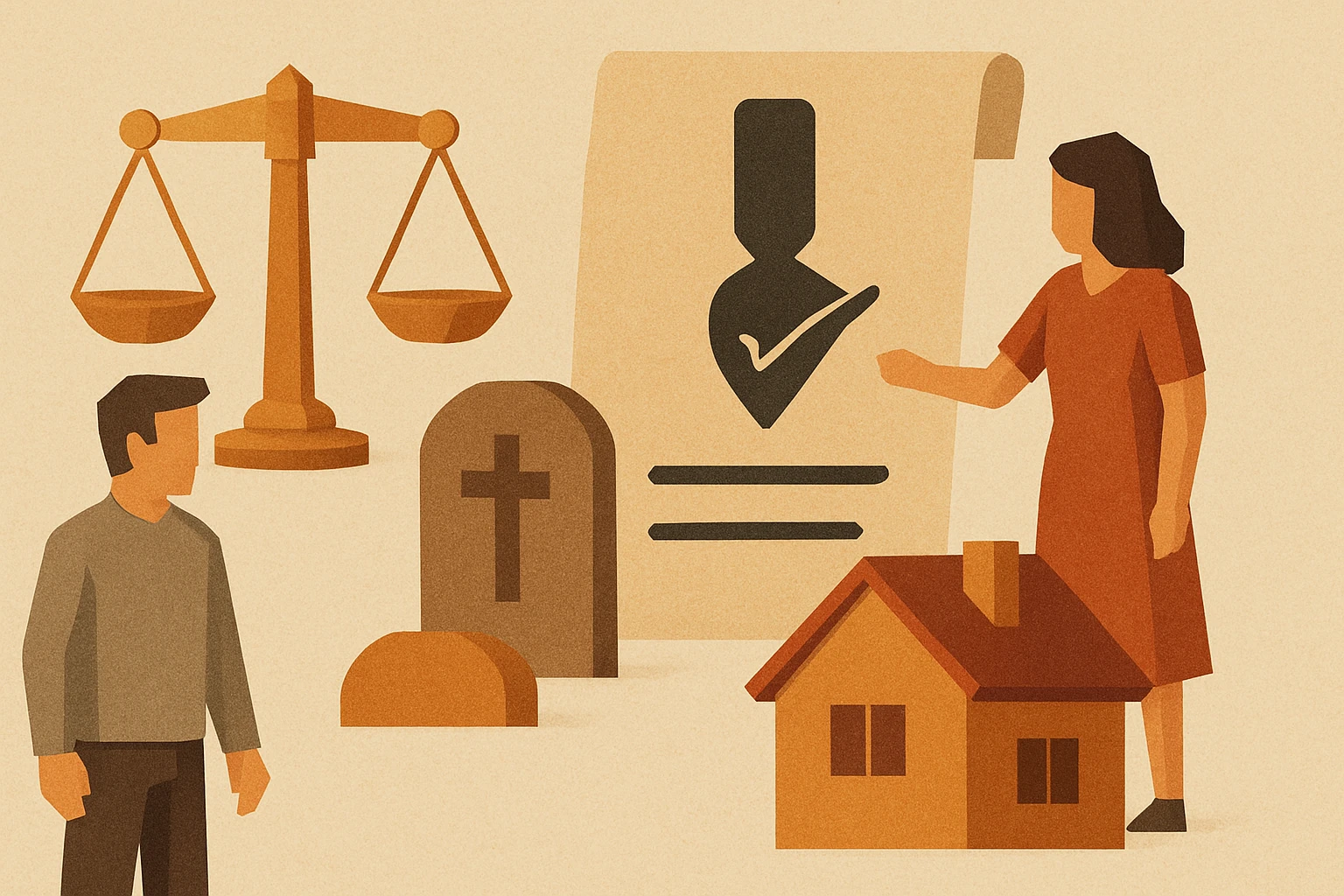
When a person dies, their property and assets don't disappear. Instead, there is a legal process that determines what happens to those assets and who receives them. The way property is handled depends on whether the deceased person left a valid will, the laws of their state or territory, and sometimes the circumstances of their family.
The process of dealing with deceased estate property involves several steps. These may include identifying all assets, paying any debts or taxes, and then distributing what remains according to the person's wishes or the law.
In Australia, the transfer of deceased assets is managed through estate administration. This is a formal legal process. The person or people responsible for managing the estate are called executors (if there is a valid will) or administrators (if there is no will). Their role is to gather all property, settle outstanding obligations, and then transfer the assets to the beneficiaries or legal heirs.
The rules about what happens vary depending on circumstances. If someone dies with a valid will, their property generally goes to whoever they named in that document. If they die without a will, intestacy rules apply. These rules set out who is entitled to receive the deceased estate property based on family relationships. The process can take several months or longer, depending on the complexity of the estate and any disputes that may arise.
Key points
Property doesn't automatically transfer after death; a legal process must happen first
A valid will is generally associated with a clearer and faster process.
Without a will, state and territory laws determine who inherits
Executors or administrators manage the estate on behalf of beneficiaries
The process involves identifying assets, paying debts, and distributing what remains
Common situations
You may be seeking information about what happens to property after death if:
Someone close to you has recently passed away and you're managing their affairs
You've inherited property or assets and are unsure what happens next
You want to understand your own rights as a potential beneficiary
You're concerned about debts or liabilities attached to inherited property
You want to plan ahead and understand how your own assets may be handled
The deceased person's will is unclear or doesn't exist
The way property transfers are handled can affect whether problems arise. In some situations, where the probate process is not completed, assets may be frozen or delayed. If there are disputes about who should inherit, the process can become lengthy and costly. Where debts remain part of an estate, beneficiaries may in some cases be associated with unexpected financial obligations.
What to consider
Has the person left a will, and if so, is it valid and accessible?
Who are the potential beneficiaries or legal heirs?
What debts, mortgages, or liabilities need to be paid first?
Are there tax implications for the estate or the beneficiaries?
Is there a risk of family disagreement about the distribution?
What timeline should you expect for the transfer process?
Do you need professional help to manage the estate administration?
What you can do next and how LawConnect can help
If you're dealing with property after someone's death, or planning for your own estate, you may wish to:
Locate and review any will or estate planning documents
List all assets and identify who manages them (banks, property titles, investments)
Note any outstanding debts, mortgages, or liabilities
Understand whether the deceased person had a valid will or died without one
Identify who the likely beneficiaries are under the will or intestacy rules
Consider whether professional guidance would help clarify your role and responsibilities
How LawConnect can help
Understanding what happens to property when someone dies can feel overwhelming. Many people are unsure about their rights, responsibilities, or the practical steps involved. LawConnect provides personalised legal information through our AI legal assistant, which can help you understand the general principles and options that may be relevant to your situation.
You can ask questions about estate administration, beneficiary rights, probate requirements, or inheritance matters. The AI tool will provide you with clear, general information to help you get oriented.
However, only a licensed lawyer can provide legal advice tailored to your specific circumstances, such as advice about your entitlements, tax obligations, or how to resolve disputes. If your situation is complex or you need personalised guidance, we can connect you with experienced estate lawyers who specialise in these matters and can give you the legal advice you need.
Not sure about property inheritance?
Ask one of these questions. Get personalised answers.

Property after death FAQs

Who inherits a house depends on whether the person left a valid will, or if they died without one (intestacy). If there is a will, the house passes to whoever the will names. If there is no will, inheritance laws determine who receives the house based on family relationships. These laws vary slightly between Australian states and territories.
Property does not automatically transfer to a spouse simply because they are married. The transfer depends on how the property is owned and whether there is a valid will. If property is jointly owned with survivorship rights, it may pass to the spouse automatically. Without clear ownership arrangements or a will, the spouse may need to go through inheritance processes that can take time.
Jointly owned property can be held in different ways. If it is held as joint tenants with survivorship rights, the property passes automatically to the surviving owner outside of the will. If it is held as tenants in common, each person's share forms part of their estate and is distributed according to their will or inheritance laws. The way the property is titled determines what happens.
Property transfer after death generally requires legal documentation and may involve probate or administration processes. If there is a will, an executor applies for probate to prove the will is valid and authorise the transfer. If there is no will, an administrator is appointed. The property title is then updated in the relevant land registry. This process can take several months depending on the complexity of the estate.