













What is probate in Australia?

Not sure what probate means?
Ask one of these. Get answers tailored to your situation.


What is probate in Australia?
Probate is a legal process that confirms a will is valid and gives the executor authority to distribute a deceased person's estate. This guide explains what probate is, when it's required, and what the process generally involves in Australia.
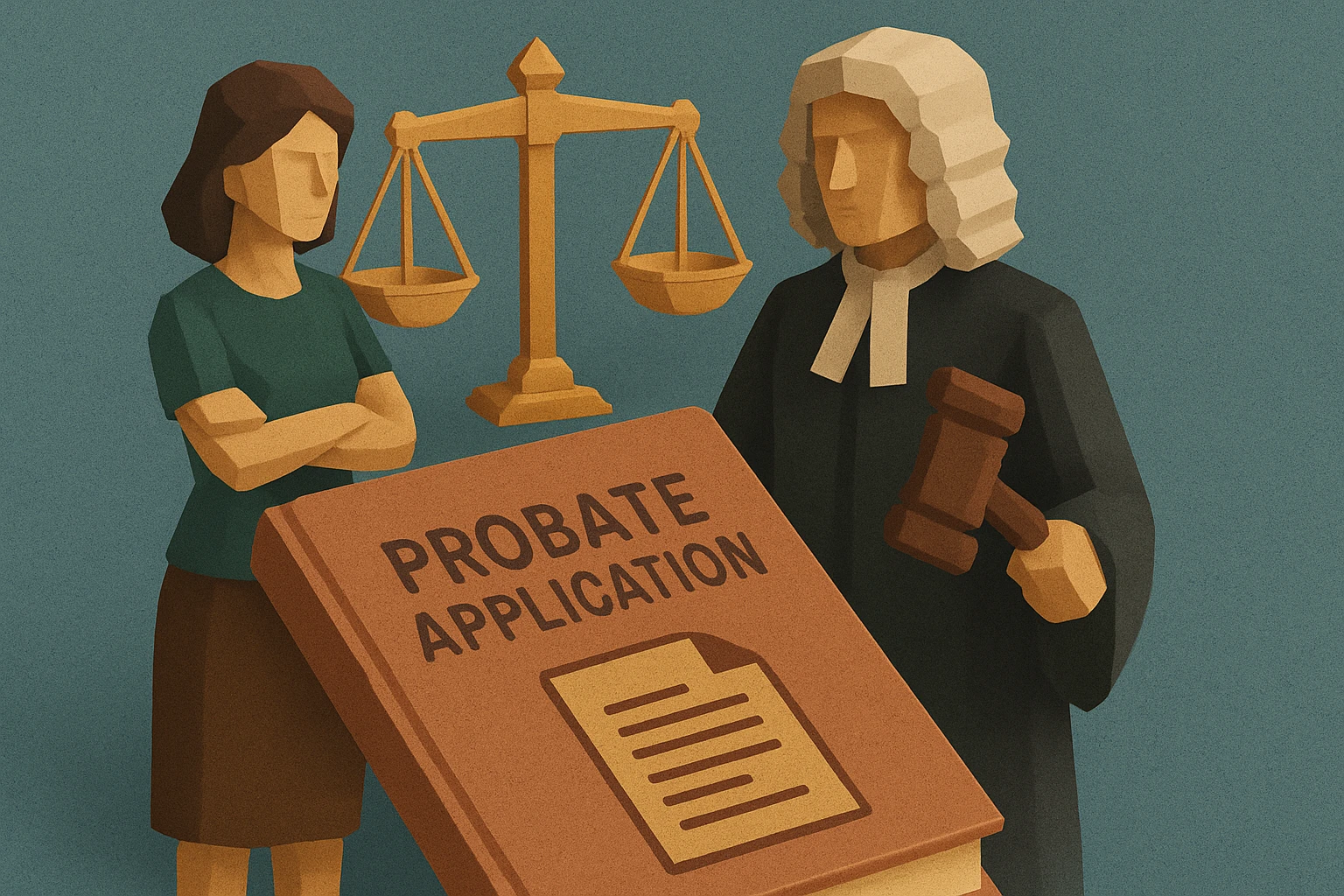
Understanding probate and what it means in Australia
Probate is a legal process that confirms the validity of a deceased person's will and gives the executor official authority to administer their estate. When someone passes away with a valid will, the executor typically needs to apply for a grant of probate from the local court. This document serves as proof that the will is legitimate and that the executor has the legal right to manage the deceased's assets.
The probate process involves several steps. The executor generally gathers the deceased's financial records, pays any debts or taxes, and then distributes the remaining assets according to the will's instructions. This process exists to protect beneficiaries and creditors by ensuring that assets are handled correctly and transparently. Without a grant of probate, banks and other organisations may be reluctant to release funds or transfer property.
Not all estates require probate. For example, if assets are held in joint names or through certain types of trusts, they may pass outside the probate process. Additionally, if the deceased died without a will, a different legal process called letters of administration may be needed instead.
The probate system in Australia is designed to provide legal clarity and protection during estate administration, which can be a complex time for families.
Key points
A grant of probate confirms the executor's authority to manage the estate
The probate process ensures assets are distributed according to the will
Some assets may pass outside probate
Different rules apply if the person died without a valid will
The process can take several months depending on the estate's complexity
Common situations
You may encounter probate matters if:
A family member or friend has passed away and left a will
You have been named as an executor in a will
An estate includes property, significant savings, or investments
The deceased person had debts that need to be settled
You are a beneficiary waiting to receive an inheritance
The deceased died without a clear will or any will at all
People sometimes encounter situations where there are multiple properties or assets across different states.
People sometimes encounter situations where questions arise about the validity of the will.
The way a probate process unfolds may be associated with a range of matters, such as the likelihood of delays, disputes between beneficiaries, or challenges to a will's validity, and how each factor is weighed depends on the circumstances. In some cases, the completeness of documentation and financial records is among the matters that may be associated with how an estate administration process proceeds, and how each factor affects timing depends on the circumstances.
What to consider
Do you have access to all relevant documents (the original will, deeds, financial statements)?
Are there significant debts or liabilities that need to be settled first?
Is the executor willing and able to take on the role?
Could there be any challenges to the will or disputes among family members?
What is the timeline for estate administration, and are there tax deadlines to meet?
Are there assets located in multiple states or countries?
Would professional assistance help ensure the process runs smoothly?
What you can do next and how LawConnect can help
If you're dealing with a deceased person's estate or facing probate matters, you may wish to:
Locate the original will and any recent updates or codicils
Gather key financial documents (bank statements, property deeds, tax records)
Identify all assets and liabilities
Understand executor duties and what they involve
Check whether a grant of probate is actually needed for the specific assets
Determine if professional assistance would be helpful
People often contact the relevant court to understand local procedural requirements.
How LawConnect can help
Dealing with probate matters can feel overwhelming, especially during a time of grief. Many people need clarity about what the probate process involves, whether applying for probate is necessary in their situation, and what steps come next.
LawConnect provides personalised legal information through our AI legal assistant. You can ask questions about how the probate process works in Australia, what executor duties entail, and the general steps involved in estate administration. Our AI tool helps you understand legal concepts and explore options that may be relevant to your circumstances.
However, only a licensed lawyer can provide legal advice tailored to your specific situation, family dynamics, and assets. If you'd like professional guidance, we can connect you with experienced estate lawyers who specialise in probate and can advise you on the best course of action for your unique circumstances.
Starting with clarity about the process can help reduce stress and ensure that the estate is managed correctly.
Not sure what probate means?
Ask one of these. Get answers tailored to your situation.

Probate in Australia FAQs

Probate is the legal process that confirms a will is valid and grants the executor permission to distribute the deceased's estate. The executor applies to the court, which verifies the will meets legal requirements and issues a document called a grant of probate. This allows them to access bank accounts, sell property, and distribute assets according to the will's instructions.
Probate is generally required when a deceased person left a will and their estate includes assets that need formal transfer, such as property or substantial bank accounts. Financial institutions and government agencies often require the grant of probate to release funds or transfer ownership. However, some smaller assets may be accessible without probate, depending on how they were held.
Not all estates require probate. Small estates or those where all assets are held jointly or have named beneficiaries (like certain superannuation or life insurance) may not need it. If someone dies without a will, the rules vary depending on whether they left a spouse or children. The necessity depends on your specific circumstances, so speaking with a licensed lawyer can help clarify what applies to you.