













Drug trafficking charges

Not sure what to ask next?
Try one of these. Get tailored legal information about trafficking charges.


Trafficking charges
Trafficking charges in Australia relate to serious criminal offences involving the exploitation of people through coercion, deception, or abuse of power. This guide explains what trafficking charges are, how they differ from related offences, and what the legal process generally involves when someone is charged with trafficking.
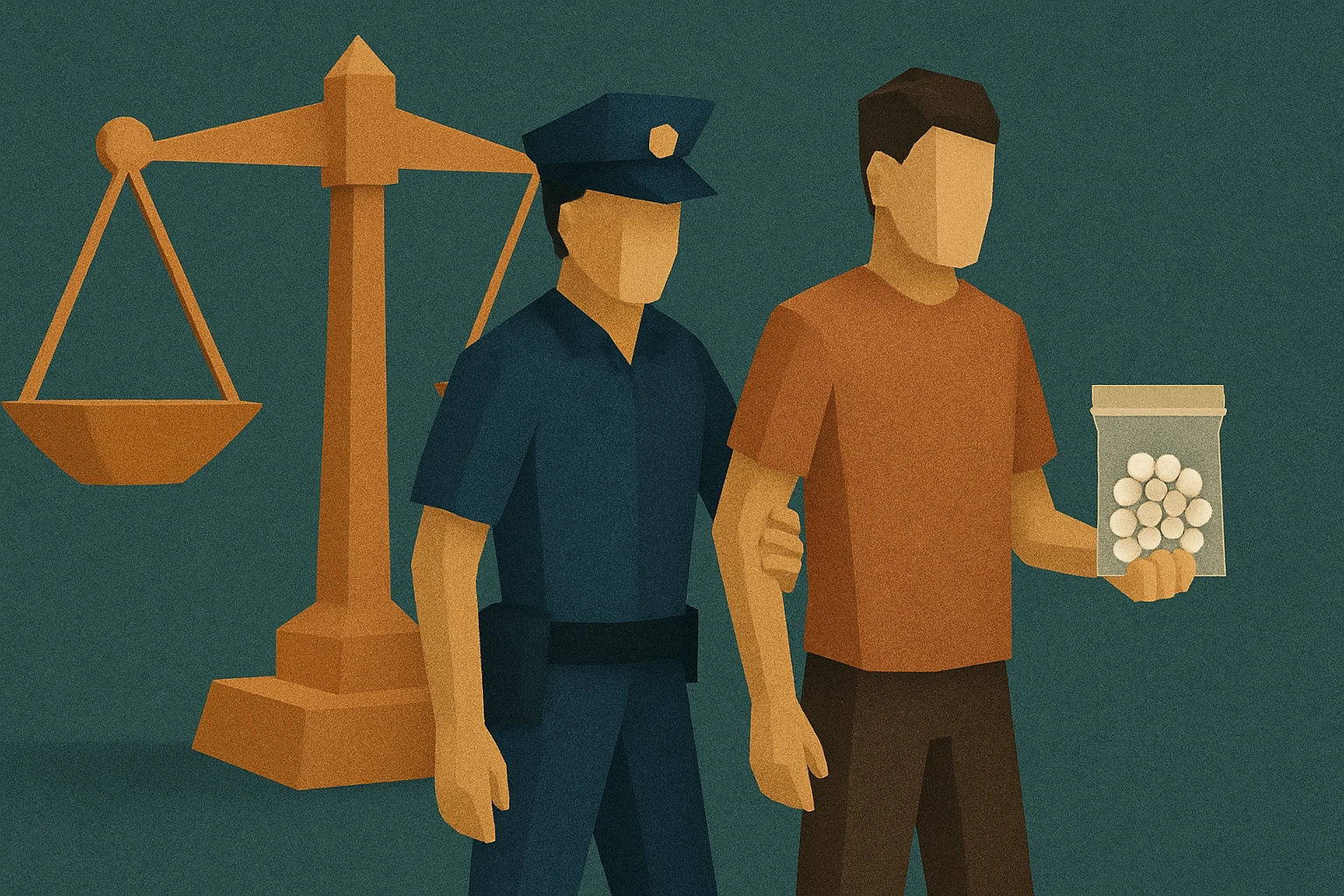
What trafficking charges mean in Australia
A trafficking charge involves allegations that someone has intentionally moved, transported, or facilitated the movement of goods, money, or persons across state or national borders, or between locations within Australia. In the context of drugs, a drug trafficking charge typically refers to the supply of drugs on a commercial scale or the distribution of controlled substances. These charges are treated as serious drug offences under Australian law and carry significant penalties.
Trafficking differs from simple possession. When authorities allege trafficking, they are suggesting that the accused was involved in the distribution or supply chain of illicit substances, rather than merely holding drugs for personal use. A commercial drug supply operation may attract substantially harsher penalties than charges related to smaller quantities.
Australian law treats trafficking seriously because it recognises the broader harms associated with drug distribution networks. These offences can involve complex investigations and often result in substantial jail sentences if a person is convicted. The severity of the charge and potential penalties depend on factors such as the type of drug, quantity involved, and the person's role in the operation.
People facing such allegations often seek to understand the distinction between different drug-related charges and the potential consequences. The range of outcomes can vary significantly based on circumstances specific to each person's situation.
Key points
A drug trafficking charge relates to supply and distribution, not just possession
Large commercial supply operations attract significantly higher penalties than smaller-scale offences
These are classified as serious drug offences in Australian law
Penalties can include substantial jail sentences, fines, and additional conditions
The specific circumstances of each case will influence the severity of charges and potential outcomes
Common situations
Trafficking allegations may arise in various circumstances:
You are stopped by police with quantities of drugs that exceed personal use thresholds
Your communications or financial records suggest involvement in drug distribution
You have been identified as part of a larger investigation into drug supply networks
Money, scales, packaging materials, or other paraphernalia are found in your possession
Someone involved in the operation provides information to authorities
You are suspected of transporting drugs between locations or across state borders
Financial transactions or bank records raise suspicion about drug-related income
You are accused of supplying drugs to others, even in smaller quantities repeated over time
Where charges are laid incorrectly or evidence is mishandled, this may affect the admissibility of key evidence, and challenging such matters generally involves legal representation. Conversely, if evidence is strong and leads to conviction, the consequences can be severe. A serious drug offence conviction can result in not only a jail sentence but also a criminal record that affects employment, travel, housing, and professional registration opportunities.
What to consider
Have you been formally charged, or are you under investigation?
What quantity and type of drug is alleged to be involved?
What evidence do authorities claim to have (messages, financial records, witness statements)?
Do you have a clear understanding of the allegations against you?
Will you need legal representation to respond to police questioning?
Are there time limits on when you must respond or appear in court?
Have you considered seeking legal advice before making any statements to police?
What is your employment and family situation, and how might a conviction affect it?
What you can do next and how LawConnect can help
People facing a trafficking charge or under investigation often consider a range of general steps.
People often choose not to discuss the allegations with anyone except a lawyer, and to decline to answer police questions without legal representation present.
People often gather documents or communications that may be relevant to a defence, such as messages, receipts, or witness contact details.
People often write down a factual account of events from their perspective to share with a lawyer later.
People often look into the bail application process and what conditions may apply if released.
People often seek to understand the sentencing process and the range of matters courts may take into account when determining penalties.
People often seek initial legal advice at an early stage, as early representation may be connected to particular stages of investigations and court proceedings.
People often seek to understand the specific charges involved and the elements prosecutors must prove.
How LawConnect can help
Facing a trafficking charge or serious drug offence investigation can be overwhelming and confusing. Many people need clarity about the charges they face, their legal options, and what to expect from the court process.
LawConnect provides personalised legal information through our AI legal assistant. You can ask questions about drug-related charges, the court process, and your rights, and receive clear guidance tailored to your situation. Our AI is designed to help you understand general legal concepts and the range of options that may be available to you, not to provide legal advice specific to your circumstances.
Only a licensed lawyer can assess a particular situation, review the evidence involved, and advise on the options available. We can connect you with experienced criminal lawyers who specialise in drug-related offences and can provide the legal advice you need to defend your position effectively.
Seeking support early, whether through our AI assistant or through a lawyer, may help you navigate this challenging situation with greater confidence and understanding.
Not sure what to ask next?
Try one of these. Get tailored legal information about trafficking charges.

Trafficking charges FAQs

Drug trafficking is the manufacturing, transportation, or supply of prohibited drugs with the intention to distribute or sell them. It differs from simple possession, as it involves larger quantities and criminal intent to supply others. Trafficking can involve various substances listed under Australian drug legislation and may carry serious criminal penalties.
Penalties for drug trafficking in Australia depend on the substance type, quantity, and individual circumstances. Sentences often include significant prison time, substantial fines, or both. More serious offences, particularly involving large quantities or organised crime, generally attract harsher penalties. A licensed lawyer can explain the specific penalties relevant to a person's circumstances.
Courts in Australia generally impose custodial sentences for drug trafficking convictions, and outcomes depend on a range of matters that vary by case. The length of imprisonment depends on factors such as the drug type, quantity involved, and a person's criminal history. Each case is assessed individually, and how each factor is weighed depends on the circumstances. People facing these charges often speak with a lawyer.