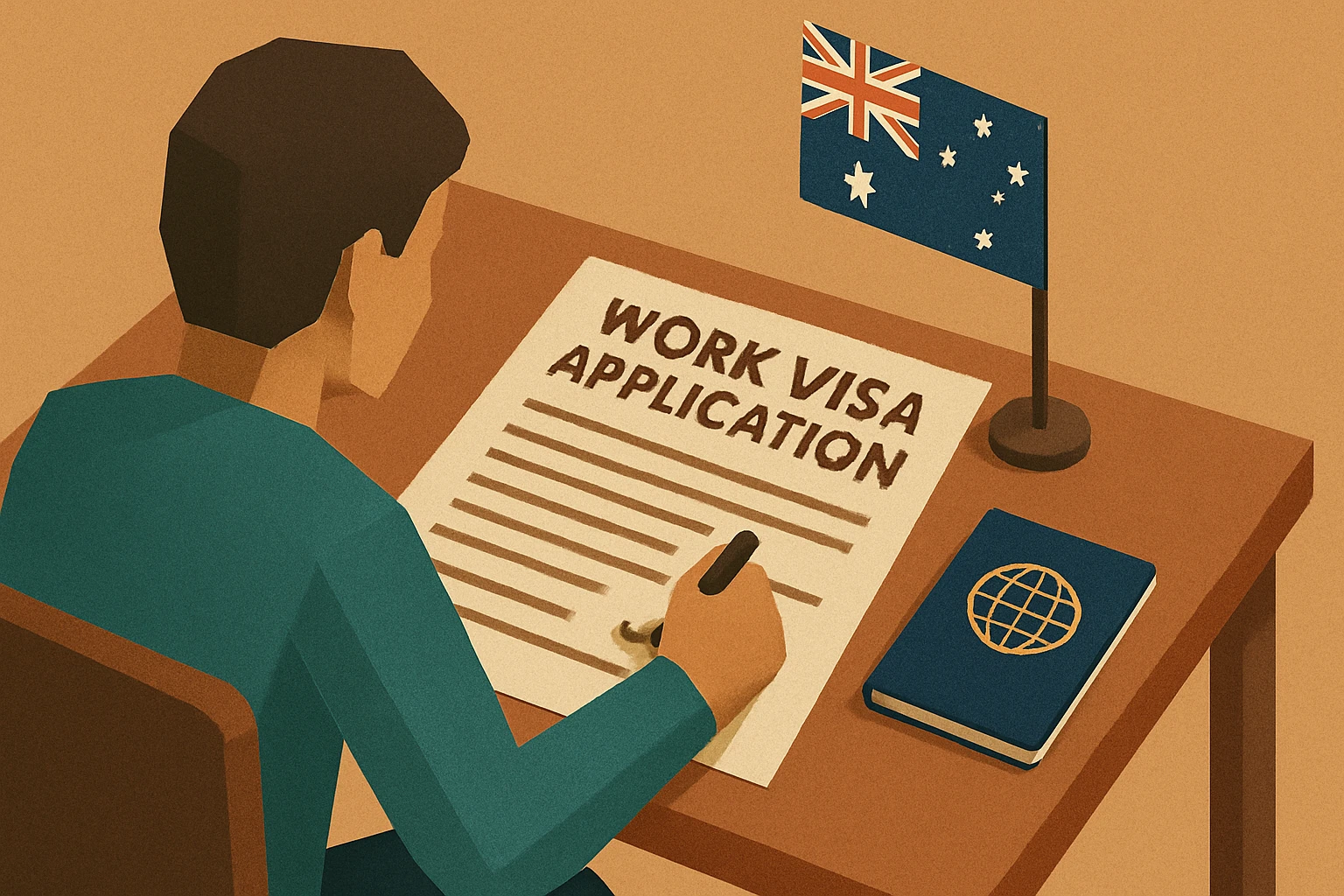


Work visa requirements in Australia
Working in Australia as a visa holder generally involves meeting specific visa requirements that vary depending on a person's circumstances and the type of work involved. This guide explains the main visa options available for workers, what eligibility criteria generally apply, and what steps are typically involved in the visa process.

Work visa requirements in Australia
A work visa is a legal permit that allows foreign workers to be employed in Australia. Information about the basics of work visas is something people often look into when considering moving to Australia for employment or when an employer is looking to hire international staff.
Australia has different types of work visas, each with specific purposes and conditions. These include skilled migration visas, employer-sponsored visas, working holiday visas, and temporary visas. The visa eligibility criteria vary depending on the visa type, your occupation, qualifications, and work experience.
Key visa documents that generally apply include a passport, evidence of qualifications, proof of work experience, and sometimes evidence of English language proficiency. The specific work visa requirements Australia sets out are designed to protect the local job market and ensure skills shortages are met.
Key points
Different visa types have different eligibility requirements
Visa documents generally support an application and demonstrate a person's credentials
Work visa criteria generally depend on a person's occupation, experience, and qualifications.
Processing times and conditions vary by visa type
Some visas come with work restrictions or sponsorship requirements
Visa holders are generally required to comply with visa conditions during their employment in Australia
The application process can be complex, and requirements change regularly. Information about the right visa pathway for a person's circumstances is something people often look into before they apply for work visa opportunities in Australia.
Common situations
You may be navigating work visa requirements if:
You've been offered a role by an Australian employer and need sponsorship
You're a skilled professional considering a move to Australia under skilled visa programs
You want to work temporarily in Australia while travelling (working holiday visa)
You're an employer trying to recruit from overseas due to skills shortages
You're unsure whether your qualifications meet Australian standards
Some people have had a visa refusal and look into the reasons for that outcome.
You're exploring options for permanent residency through employment
Where visa applications do not meet all requirements, or where information is incomplete or inaccurate, outcomes can vary depending on the circumstances. A visa refusal is something people may look into, as the implications can vary depending on the circumstances.
What to consider
Have you verified that your occupation is on the relevant skilled occupation list (if applying for skilled migration)?
Do your qualifications meet Australian standards, or do you need assessment?
What is the immigration eligibility criteria for your specific visa type?
How long will visa processing take, and does this align with your employment start date?
Are you aware of the conditions attached to your visa, including work restrictions?
What documentation do you need to gather before you apply?
Would it help to get clarity on your visa pathway before investing time and money in an application?
What you can do next and how LawConnect can help
If you're considering a work visa in Australia, you may wish to:
People often research the different visa types available and which might suit their situation
People often check the relevant skilled occupation lists or employer sponsorship requirements
People often gather evidence of their qualifications, work experience, and English language skills
People often have their qualifications assessed if they are coming from overseas
People often look into visa processing time expectations for their chosen pathway
People often review the conditions and restrictions that will apply to their visa
People often consider whether they need employer support or sponsorship
People often seek information on the immigration eligibility assessment process
How LawConnect can help
Work visas are relevant for many people looking to build their career in Australia, though the requirements and processes can be confusing. LawConnect provides personalised legal information through our AI legal assistant, which can help you understand general information about work visas, visa types, and what may be involved in the application process.
Our AI can guide you through common questions and help clarify the options available to you. However, immigration matters often involve personal circumstances that need tailored advice. If you need specific guidance about your situation, we can connect you with licensed immigration lawyers who specialise in work visa matters and can provide legal advice tailored to your individual circumstances.
Information about visa options and requirements is something people often look into, which may be relevant to the pathway chosen and to potential delays or refusals.