













What happens after being charged?

Not sure what comes next?
Ask one of these. Get answers tailored to your situation.


What happens after being charged?
Being charged with a criminal offence can be a stressful and uncertain time. This guide explains what typically happens after you're charged, the key stages of the criminal process, and what to expect as your case progresses through the courts.
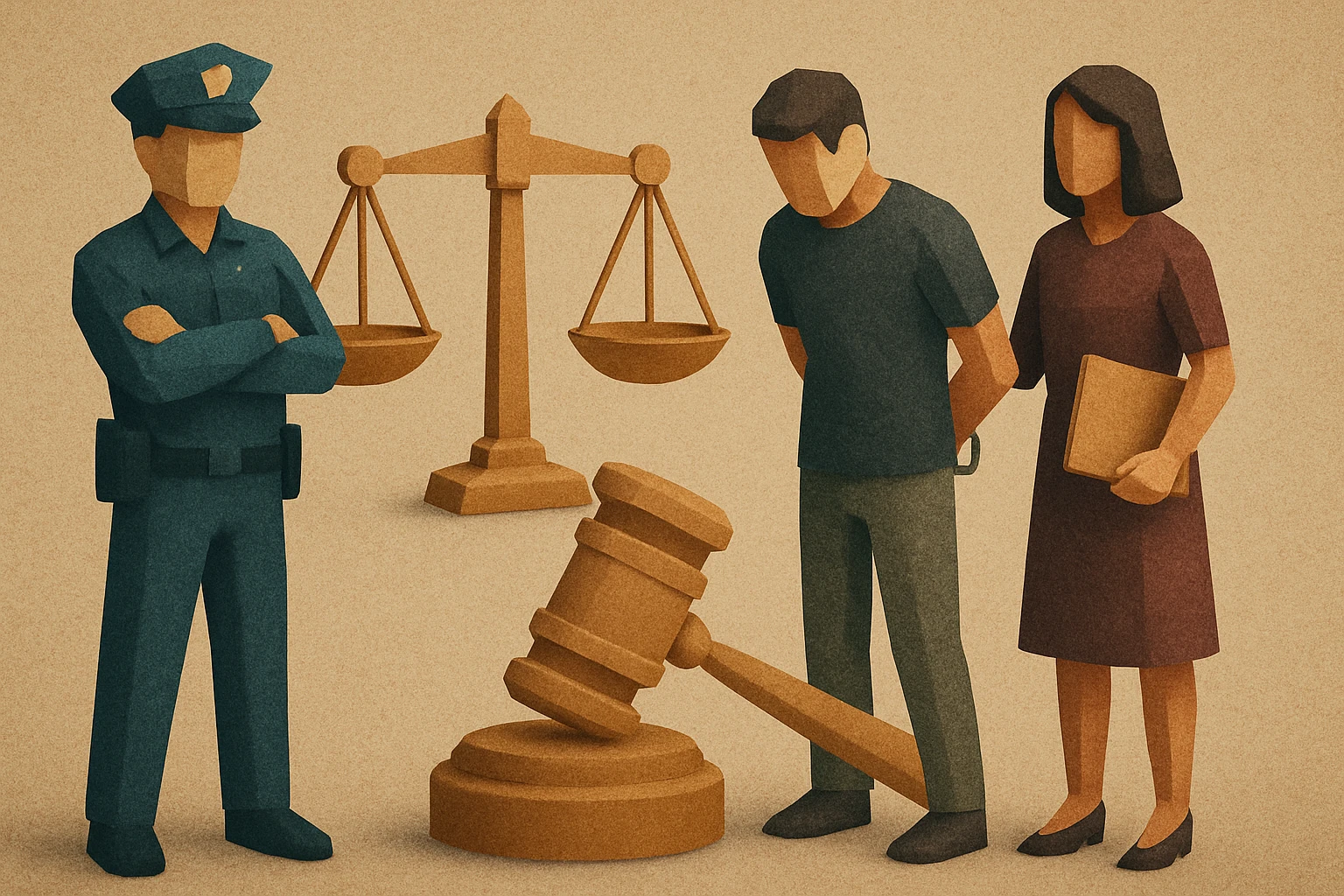
Understanding the criminal court process in Australia after charges
When you are charged by police, a series of formal steps typically follows. This process is designed to protect your rights, establish facts, and determine whether criminal charges proceed to trial. Information about what happens at each stage is something people often find useful when considering their circumstances.
After being charged, you will usually be required to attend a first court appearance. This is your initial appearance before a magistrate or judge, where the court confirms the charges, explains your rights, and addresses practical matters such as bail. At this stage, you may also have the opportunity to apply for bail or discuss legal representation options.
The criminal court process generally involves several stages. These include the mention hearing, where matters of procedure and evidence are discussed, and eventually a criminal trial process if your matter proceeds. Each stage has different purposes and requirements.
The court system generally has checks and balances built in. For example, bail requirements exist to balance the presumption of innocence with public safety concerns. Similarly, the mention hearing stage allows both the prosecution and defence to prepare their cases properly, reducing delays and ensuring fairness.
Key points
You have the right to understand the charges against you
A first court appearance will be scheduled to confirm charges and discuss bail
You may be entitled to legal representation throughout the process
The mention hearing allows time for case preparation and negotiation
The criminal trial process includes the opportunity to present your defence
Information about these steps is something people often find useful in understanding the process.
Common situations
The circumstances surrounding your charge can vary widely. You may be dealing with:
A minor traffic or regulatory offence
A more serious indictable offence
A matter involving assault, theft, or property damage
Drug-related charges
Driving under the influence
A breach of bail conditions
Multiple charges arising from the same incident
Charges where you have a strong defence
Circumstances people often consider in relation to how they respond to charges.
If proper procedures aren't followed during arrest or charging, this can sometimes affect the admissibility of evidence later. For example, if your rights weren't explained clearly or if evidence was obtained improperly, a court may exclude it from consideration. Under the relevant procedures, matters connected to particular stages of proceedings, such as bail applications and court attendance, may have consequences that depend on the circumstances.
What to consider
Do you understand each charge and what it means?
What are the potential penalties if you're found guilty?
Do you have evidence or witnesses that support your defence?
Can you afford legal representation, or are you eligible for legal aid?
What is your employment situation, and how will court appearances affect it?
Do you have ties to the community and a fixed address (relevant to bail decisions)?
What are the key dates and deadlines coming up in your case?
What you can do next and how LawConnect can help
After being charged, steps people often consider include:
Gathering documents related to the charge, including the charge sheet, police statement, and any correspondence from the court, is something people often do
Writing down the facts as remembered, including any witnesses or evidence, is something people often do
Considering whether legal representation is affordable or whether legal aid may be available is something people often do
Clarifying what happened at arrest and any statements made to police is something people often do
Preparing for a first court appearance by becoming familiar with the charges and any relevant documents is something people often do
Considering whether a bail application may be prepared in advance is something people often do
Researching the criminal charges involved and the general sentencing range for similar matters is something people often do.
Preparing a list of questions for a lawyer ahead of a first consultation is something people often do.
How LawConnect can help
Being charged can feel overwhelming, and people often seek to understand what comes next. LawConnect provides personalised legal information through our AI legal assistant, which can help you understand the criminal court process, what to expect at each stage, and the options available to you.
You can start by asking questions about bail applications, criminal charges, what happens at a first court appearance, or the steps involved in the criminal trial process. Our AI assistant will provide general legal information tailored to your situation.
However, only a licensed lawyer can provide legal advice specific to particular circumstances. We can connect you with experienced criminal lawyers who can review your case, advise you on your options, and represent you throughout the process.
Whether to gather information or seek professional legal representation is something people often consider; how each factor is weighed depends on the circumstances.
Not sure what comes next?
Ask one of these. Get answers tailored to your situation.

Being Charged FAQs

After police charge you, you will generally be either released on bail or taken into custody. You will receive a notice of the charges and be informed of your rights. Within a set timeframe, you must attend your first court appearance. The specific process depends on the nature and seriousness of the charges, and whether you agree to bail conditions.
Your first court appearance, sometimes called an initial appearance or arraignment, is your first time before a magistrate or judge. You will hear the charges against you formally read out. The court will consider bail conditions, ensure you understand your rights, and explain what happens next in your case. Legal representation is often available at this stage.
You have the right to plead guilty, not guilty, or in some cases, no contest. You are not required to enter a plea immediately. People often take time to consider their situation and seek legal advice before entering a plea. A licensed lawyer can explain the potential consequences of each option based on your specific circumstances.
A mention hearing is a brief court appearance where administrative matters are dealt with rather than the full case being heard. The court may discuss bail conditions, set dates for future hearings, or allow parties to brief the judge on case progress. These hearings help keep cases moving through the court system and may occur several times during your case.
Yes, charges may be dropped or withdrawn in certain circumstances. This can happen if police decide there is insufficient evidence, if new information emerges, or as part of a negotiated agreement. The decision to drop charges generally rests with the prosecution. Lawyers generally can advise on the prospects of charges being dropped, depending on the circumstances.