













How long does probate take?

Not sure what to ask?
Try one of these smart suggestions tailored to your situation.


How long does probate take?
Probate is the legal process of administering a deceased person's estate, which can take anywhere from several months to several years depending on the complexity of the estate and various other factors. This guide explains what probate involves, the typical timeframe you might expect, and the main factors that can affect how long the process takes.
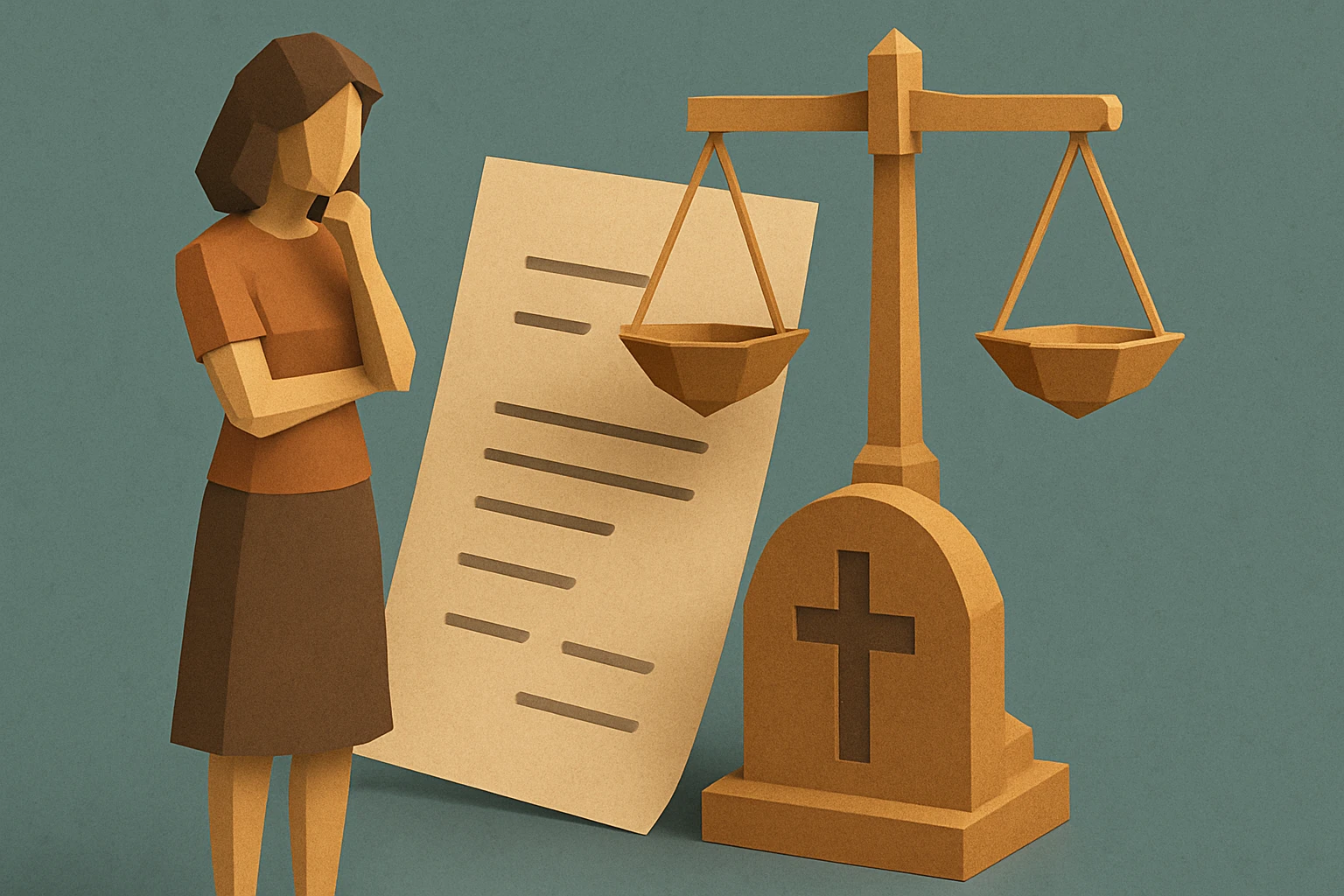
What probate timeframes mean in Australia
Probate is the legal process of confirming a will and administering an estate after someone's death. One common question people ask is simply how long probate takes. The answer often depends on the complexity of the estate, the accuracy of documents, and whether any challenges arise.
When someone passes away with a valid will, their executor typically needs to apply to a court for a grant of probate. This confirms the executor's authority to manage and distribute the deceased person's assets. How long this process takes, or the probate duration, can vary significantly from case to case.
Several factors influence the probate timeframe. A straightforward estate with clear assets and beneficiaries might be resolved in months, while more complex situations could take considerably longer. The probate processing time can be extended if documents go missing, if beneficiaries are difficult to locate, or if there are disputes about the will's validity.
Understanding what affects how long probate processing takes is important so you can plan ahead. For executors, beneficiaries, or those planning their own estate, knowing what to expect is something people often find relevant to managing expectations.
Key points
How long probate takes varies based on estate complexity and circumstances
Courts have timeframes for processing applications, but waiting periods can extend the overall duration
Probate delays can occur for many reasons
Professional guidance can help identify steps to streamline the process
Communication with beneficiaries about probate delay is something people often consider when managing expectations.
Some estates may be eligible for simplified or fast-track processes
Common situations
You may be navigating probate issues if:
You've been named as executor in a will and need to understand your responsibilities
You're a beneficiary waiting to receive your inheritance
The estate includes property, multiple bank accounts, or significant assets
The deceased person left no will (in which case intestacy laws apply)
There are overseas assets or beneficiaries involved
Family members are disputing the will or beneficiary entitlements
The estate is facing tax obligations or other complex matters
Assets need to be sold before distribution can occur
There are delays in locating or gathering required documents
Delays or challenges in probate can have significant consequences. Beneficiaries may face financial hardship while waiting for distributions, and even unintentional delays by the executor can cause stress and family conflict. In some cases, unclear or missing documentation can extend the entire process by months.
What to consider
What type and value of assets does the estate include?
Are all beneficiaries easily identifiable and contactable?
Is the will clearly worded and properly executed?
Are there any potential challenges or disputes?
What tax obligations might the estate face?
Does the executor have experience managing estates, or would professional help be beneficial?
Are there time-sensitive matters, such as property maintenance or business operations?
Have all required documents been gathered (death certificate, will, bank statements, property valuations)?
What you can do next and how LawConnect can help
If you're involved in probate, whether as an executor or beneficiary, you may wish to:
People often gather relevant documents, including the original will, death certificate, and asset statements
List all known assets, liabilities, and beneficiaries
Check whether probate application is required for your specific situation
Understand the court's timeframes and requirements in your state or territory
Identify any potential obstacles that could cause probate delays
Decide whether to handle probate yourself or seek professional support
People often communicate with beneficiaries about realistic timelines and the stages that follow
How LawConnect can help
Understanding how long probate takes and what affects the timeline can feel overwhelming, especially during a difficult time. LawConnect provides personalised legal information through our AI legal assistant to help you better understand general information about probate and the range of options available.
Our AI tool can guide you through common questions about probate applications, typical timeframes, and factors that influence how long the process takes in your situation.
However, only a licensed lawyer can provide legal advice tailored to your specific circumstances. If your estate is complex, disputes arise, or you want professional guidance on managing the process efficiently, we can connect you with experienced probate and estate lawyers who can assess your situation and provide the personalised legal advice you need.
Some people find that understanding the process generally relates to how the probate application progresses.
Not sure what to ask?
Try one of these smart suggestions tailored to your situation.

Probate Timeline FAQs

Probate timelines vary depending on the complexity of the estate and whether the will is contested. In Australia, probate generally takes between 6 to 12 months, though simpler estates may be finalised more quickly. Larger or more complex estates can take considerably longer, sometimes extending to 2 years or more depending on circumstances.
Probate delays often occur due to various administrative and legal factors. Common reasons include outstanding debts or taxes that must be settled, missing beneficiaries who need to be located, disputes over the will's validity, or court backlogs. Each of these issues can add weeks or months to the overall process.
Several factors can significantly slow down probate proceedings. These include complex asset valuations, contested wills or claims against the estate, creditor disputes, unclear beneficiary information, and delays in obtaining necessary documentation. The number of assets and their nature, as well as court scheduling, can also impact the timeline considerably.