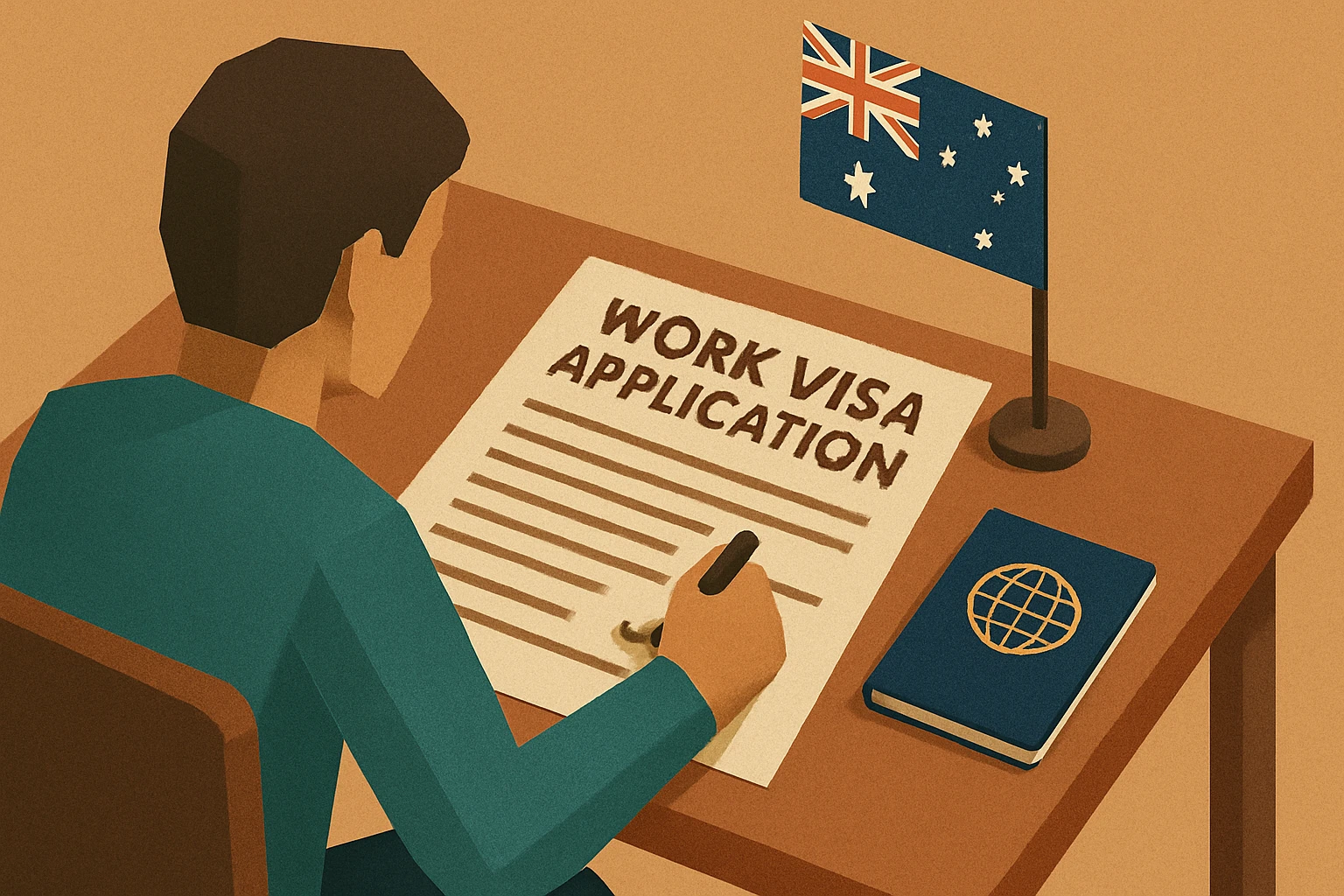


Overstaying a visa in Australia
Overstaying a visa means remaining in Australia after your visa has expired. This can have serious legal consequences, including fines, detention, and future visa cancellation. This guide explains what happens if you overstay, your rights and obligations, and the steps you should take if you're in this situation.

What overstaying a visa means in Australia
Remaining in Australia beyond the date your visa expires is considered overstaying. When a visa reaches its expiry date, a person generally either leaves Australia, applies for a new visa, or obtains a bridging visa to remain lawfully in the country. If you stay past the expiry without authorisation, you enter a period of unlawful stay in Australia.
Australia's immigration laws require that all visitors and temporary residents comply with their visa conditions. A visa expiry date is set when a visa is granted, and awareness of this date generally rests with the visa holder. The consequences of overstaying can be serious and long-lasting.
People often consider the rules around visa expiry and staying lawfully, since even unintentional breaches can result in penalties and complications for future immigration status. The Australian government takes compliance seriously to maintain the integrity of the immigration system.
Key points
A visa generally has a specific expiry date with which the visa holder is required to comply
Overstaying a visa in Australia means staying beyond your authorised period
A visa overstay penalty can include fines, visa cancellation, and potential deportation
You may be able to apply for a bridging visa or another visa to remain lawfully
Even short periods of unlawful stay can affect your immigration record
People who realise they have overstayed or are about to often consider their situation at a stage connected to visa expiry.
Common situations
You may find yourself in a situation where overstaying becomes a concern if:
You lose track of your visa expiry date and don't realise until after it has passed
Your visa application for renewal is delayed and you're uncertain whether you can stay
You have a change in circumstances (such as relationship breakdown or job loss) and are unsure about your next steps
You're waiting for a decision on another visa application and don't know if you're permitted to remain
You've been offered a new job but haven't yet secured sponsorship
Your visa condition requires you to leave but you have personal reasons to stay
You intended to leave but faced unexpected barriers (such as travel restrictions or health issues)
What to consider
People who believe they may have overstayed or are at risk of overstaying often think about a range of factors:
people often locate their visa grant letter to confirm the exact expiry date
people often look into whether a new visa can be applied for while still in Australia
people often think about whether visa cancellation or deportation Australia could be consequences of extended overstaying
people often look into whether they are eligible for alternative visas or a bridging arrangement
people often consider their situation at a stage connected to visa expiry, as the circumstances may change over time
people often keep records of their visa documents and correspondence
people often seek advice from an immigration lawyer at a stage connected to visa expiry
Staying beyond an authorised period can affect a person's ability to apply for future visas and may create barriers to returning to Australia later.
What you can do next and how LawConnect can help
If you're concerned about your visa status or approaching your expiry date, you may wish to:
people often locate and review their visa grant letter to confirm the exact expiry date
people often check the Department of Home Affairs website for any updates to their visa status
people often assess whether they are eligible to apply for another visa before their current one expires
people often gather relevant documents such as passport, visa documentation, employment records and relationship evidence
people often consider the potential consequences of overstaying and visa refusal for future applications
people often decide whether to seek professional guidance from an immigration lawyer
Where a person has already overstayed, they often contact the Department of Home Affairs or seek advice at a stage connected to their circumstances
How LawConnect can help
Visa compliance and the general rights and obligations in Australia can feel complex for some people, particularly at stages connected to particular points in proceedings. Many people are uncertain about what options are available to them or how to respond if they've already overstayed.
LawConnect provides personalised legal information through our AI legal assistant. People can ask questions about overstaying, visa conditions, and their options, and receive general information relevant to their situation. Our AI assistant helps you better understand the general legal information and the range of steps you might take.
However, only a licensed immigration lawyer can provide legal advice specific to your individual circumstances. If you'd like professional guidance, we can connect you with an experienced immigration lawyer who can assess your situation, explain your options, and advise you on the best path forward.