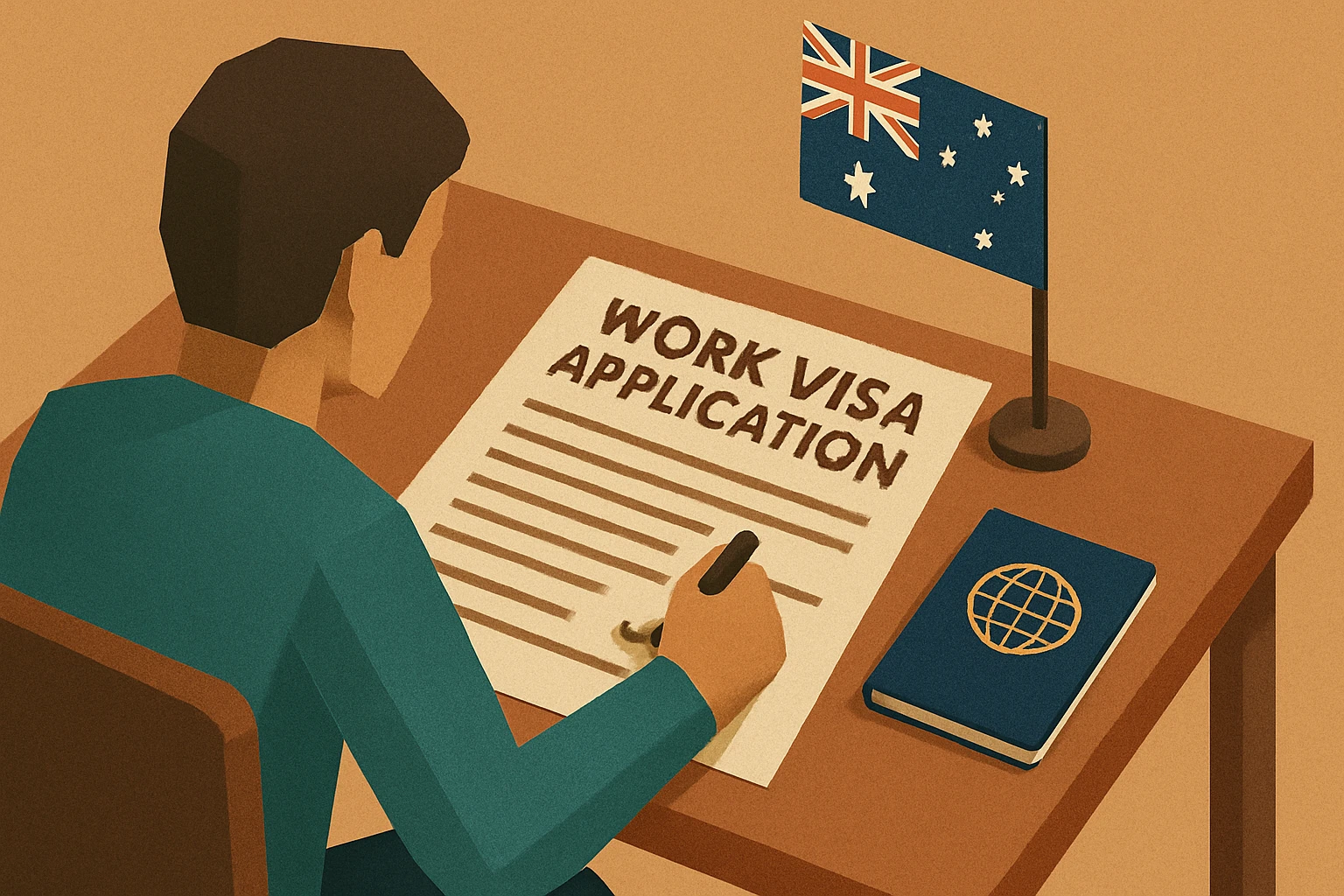


How to get permanent residency in Australia?
Permanent residency in Australia is a visa status that allows you to live, work, and study indefinitely in the country. This guide explains the main pathways to obtaining permanent residency, eligibility requirements, and the key steps involved in the application process.
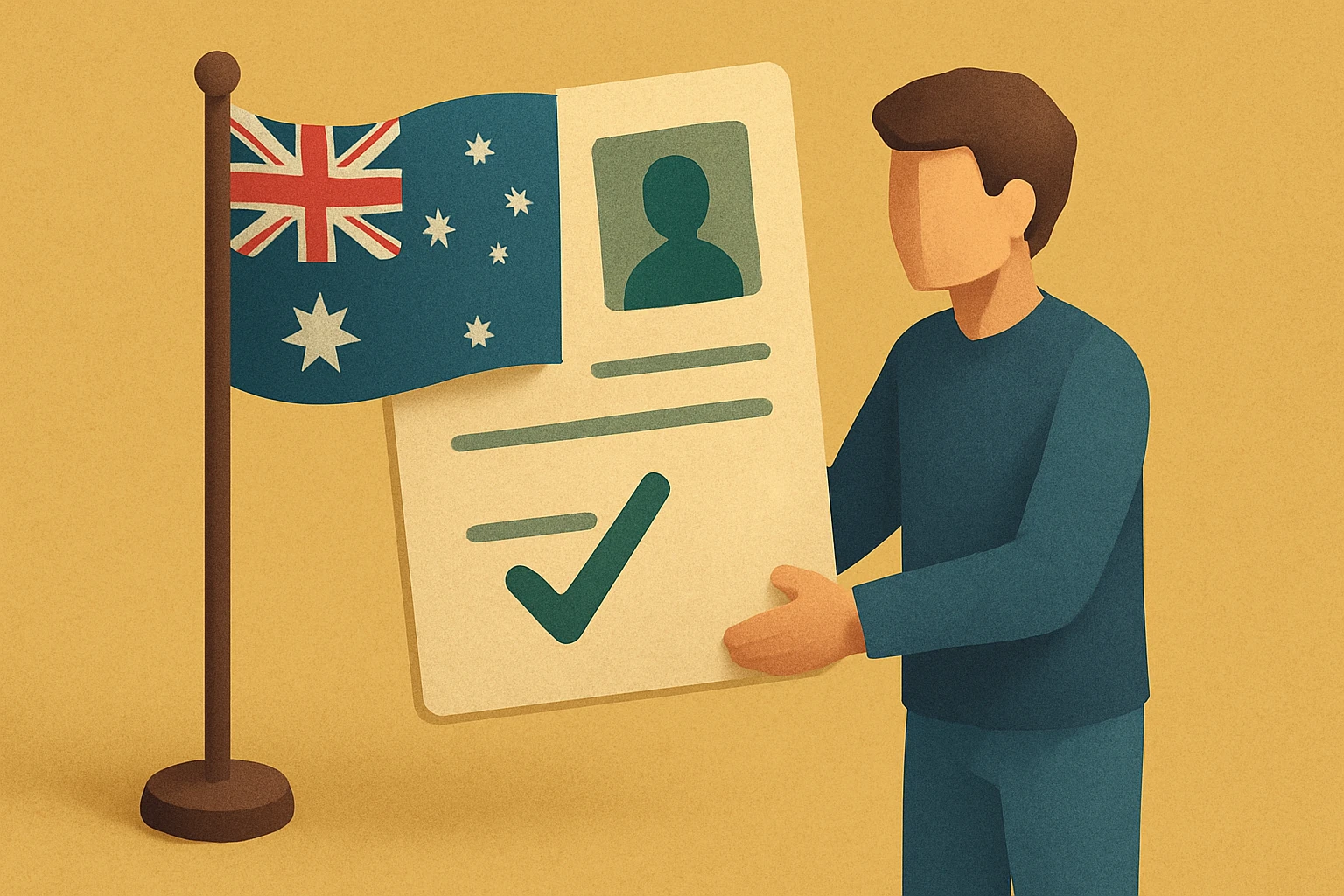
Permanent residency and the Australian PR visa explained
Permanent residency in Australia allows you to live, work, and study indefinitely in the country whilst maintaining certain obligations and entitlements. When you obtain permanent residency, you become a permanent resident, which is different from being a citizen but grants you most of the same rights and responsibilities.
The permanent residency Australia pathway is administered by the Department of Home Affairs and involves a formal visa process. To access PR visa options, you generally need to meet specific criteria based on your skills, qualifications, work experience, health, and character. There are several ways to pursue a migration to Australia, including skilled migration, family sponsorship, business investment, and humanitarian pathways.
The PR process generally involves Australia prioritising skilled workers in occupations listed on relevant occupation lists. The visa requirements vary depending on your chosen pathway. Some PR visa applications involve a points test system, which assesses factors such as age, English language ability, qualifications, and work experience.
The reasons these requirements exist relate to Australia's need to attract skilled workers and ensure that new permanent residents can support themselves and contribute to the economy. Background checks and health assessments protect public safety and the integrity of the migration system.
Key points
Permanent residency is not citizenship but provides long-term residency rights
Multiple immigration pathways exist depending on your circumstances
PR visa applications often involve formal assessment processes
Health and character requirements apply to most visa classes
The permanent residency system is managed by the Department of Home Affairs
Common situations and visa pathways
You may be considering permanent residency if you are an overseas skilled worker wanting to work in Australia long-term, a family member of an Australian citizen or permanent resident, a business investor looking to establish operations, or someone seeking better opportunities through an immigration pathway.
Different circumstances suit different visa classes. For example, skilled migration visas rely heavily on a points test assessment, whilst family sponsorship visas prioritise your relationship to an Australian resident. Some applications involve visa processing time of several months to over a year, depending on complexity and application volume.
Misunderstandings about visa requirements are sometimes associated with application delays, rejections, or character assessments that affect future eligibility. For instance, situations where relevant information is not declared or health requirements are not met are sometimes associated with significant setbacks.
Common pathways
Skilled migration based on occupation and points score
Family sponsorship by a citizen or permanent resident
Business and investment visas for entrepreneurs
Graduate visas for recent Australian graduates
Employer sponsorship through skilled visa programs
State sponsorship for specific occupations or regions
Partner visas for spouses or de facto partners
Humanitarian and refugee visas
What to consider
What visa class best matches your circumstances?
Do you meet the health and character requirements?
How long might the visa processing time take for your pathway?
Will you need to meet a points test threshold?
Should you obtain skills assessment or qualification recognition?
Are there state sponsorship opportunities that may help your application?
What supporting documents will be required?
What you can do next and how LawConnect can help
If you are considering permanent residency in Australia, you may wish to:
Research which visa class aligns with your situation
Check whether your occupation appears on relevant occupation lists
Assess your English language proficiency and qualifications
Gather key documents such as certificates, work references, and health records
Consider whether you need a skills assessment from a relevant assessing authority
Understand the visa requirements and any points test criteria that may apply
People often explore whether state sponsorship or employer sponsorship could strengthen their application.
People often consider a realistic timeline based on typical visa processing time for their pathway.
How LawConnect can help
Permanent residency applications can be complex, and the immigration landscape changes regularly. Many people need clarity on which visa pathway suits their circumstances or want to understand what the visa requirements actually mean for them in practice.
LawConnect provides personalised legal information through our AI legal assistant. You can explore general information about different pathways, visa classes, and the steps involved in applying for permanent residency. Our AI tool helps you understand the range of options that may be available and what factors might influence your eligibility.
However, only a licensed immigration lawyer can assess your specific situation and provide legal advice tailored to your circumstances. In matters that involve complexities such as character concerns, previous visa refusals, or nuanced family situations, people often find professional legal advice helpful.
We can connect you with a licensed immigration lawyer who can review your circumstances, advise you on the best pathway forward, and guide you through your application. Some people choose to engage with these matters at earlier stages of proceedings.